In 1939 Curtiss-Wright Corporation's Propeller Division was located in Clifton, New Jersey, about 12 miles from New York City's island of Manhattan and not far from the company's much larger Wright Aeronautical engine division in Patterson, NJ. When Kirt reported for work in July of 1939 he knew virtually no one in the area and, according to a letter to his parents, found lodging in a rooming house with "Mr. & Mrs. Harding and family about four or five blocks from the plant". One of the first people Kirt met on the job was John Reese, another young recent college graduate and a new Propeller Division technical writer. The two bachelors instantly became friends and in 1940 moved into a nearby apartment together as roommates. John and Kirt would work together for the next 20 years till Kirt retired and became life long friends. (I would grow up playing with the Reese children, son Wade would become my childhood best friend, and I'd have John's wife Elly as my 6th grade school teacher). As soon as regular pay checks started arriving Kirt bought a motorcycle to commute to work on and in 1940 or 1941 he purchased a brand new fancy Buick automobile which he would become quite proud of.
Most of my knowledge of Kirt's activities during
the two year period from the summer of 1939 through that of 1941 comes
from the priceless letters he wrote home to his parents.
He settled into his job and wrote home about of some of the engineering
projects he was working on. The letters suggest that he was
already experiencing some of the pressures and long work hours which
would become common after the U.S. entry into World War II. (While
the U.S. didn't formally enter the war till December of 1941, the war in
Europe started in 1939 and defense contractors were already gearing up
in anticipation of U.S. involvement.) Kirt
dated during this period and the letters have references to Miki at
Vassar College (in Poughkeepsie, NY) and Esther who apparently lived
closer. He continued to ski recreationally when he had the
chance and he writes of attending the Dartmouth Winter Carnival in New
Hampshire in February of 1940 and of skiing Mount Washington's Tuckerman
Ravine during the spring of 1941 with college friends. I recall
hearing that Kirt briefly considered trying out for the 1940 U.S. Winter
Olympic ski team but this became a mute point when the Olympics were
cancelled due to the expanding war in Europe and Asia in 1939. In August
of 1940, after a year on the job, he took a two week vacation and
visited his parents and friends in Seattle. A letter sent to him
in Seattle during this vacation by his boss (and found among his effects
after his death) indicates that Kirt had been offered a job at Boeing
Aircraft in
Seattle while there and his boss offered him more pay to stay with Curtiss-Wright ($42.50 per week, an approximately 50% increase over his
starting pay a year earlier). This apparently beat Boeing's offer
as Kirt stayed with Curtiss-Wright.
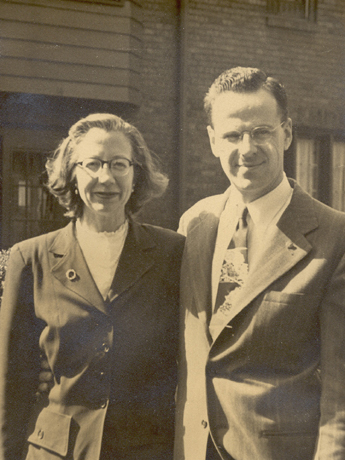
Marriage Over Labor Day in early September of 1941 Kirt and others were invited to spend the long weekend at the charming vacation home of his good college friend Bob Nims located on a hillside overlooking the village of Dorset, Vermont. There he met Elizabeth "Betty" Hulburd, a St. Louis native who had attended Finch College in New Your City. They immediately became interested in each other and my mother told me many years later that Kirt had driven her home to New York City after the weekend. Then a few days later Kirt showed up unexpectedly at her place-of-work in New York City and asked her out to lunch.
They started dating regularly and announced their engagement in late November of 1941, less that 3 months after they had first met. Around the time of their engagement announcement Kirt took Betty to meet his Uncle Kirt (Samuel Kirtland Hine), who was staying at a resort in Berkeley Springs, West Virginia at the time.
The world would change shortly after the engagement when, on December 7, 1941, the Japanese bombed Pearl Harbor causing the U.S. to enter World War II. But the war apparently didn't delay the wedding plans as my parents were married on February 21, 1942 at St. Bartholomew's Episcopal Church in Manhattan. It was nether a large nor fancy wedding as Betty's parents were not in a financial position at the time to afford anything extravagant. Members of Betty's family attended but Kirt's parents did not, likely due mostly to the fact that the war had seriously disrupted civilian transportation but also due to the cost of getting there from Seattle. A small group of close college and work friends of both Betty and Kirt attended and the reception was held at the Manhattan apartment of Betty's sister and her husband.
The couple would spend their honeymoon skiing at Mt. Tremblant in Canada. This would have clearly been Kirt's choice of activities as I don't think my mother had ever been on skies before. They also visited Niagara Falls on the trip.
Upon their return to New Jersey after the honeymoon the couple took up residence in the apartment at 24 Day Street in Clifton where Kirt had been living with roommate and college friend Nonnie Hickenlooper immediately prior to the wedding (former roommate John Reese had married a year or so earlier).
By the summer of 1942 however Kirt and Betty had rented a house at the corner of Greenbrook Road and Woodland Avenue in North Caldwell, New Jersey. North Caldwell in those days was a tiny rural town mostly consisting of wooded rolling hills and farm fields but not far from other more populated communities. At the time Curtiss-Wright's Propeller Division was spread out over several northern New Jersey locations with their main engineering offices in Clifton but with test locations at Caldwell Wright Airport and at Glen Ellen, NJ (or so I recall hearing a number of times over the years but as I write this I can't find Glen Ellen on a map of New Jersey). In 1942 Kirt commuted between all three locations and the Propeller Division was in the process of consolidating all of them (due to rapid war time expansion) to a new large facility in Caldwell Township adjacent to the company's Caldwell Wright Airport. The rented home on Greenbrook Road made sense because it was half way between Glen Ellen and Clifton and was only about 1-1/2 miles from the new plant. (Note: As I write this, Caldwell Township has been renamed Fairfield, NJ and Caldwell Wright Airport, once a private captive airport owned and used exclusively by Curtiss-Wright starting early in World War II and for the next 20 or so years, has been opened to general aviation and is now known as Essex County Airport.) Kirt and Betty would live in the rented Greenbrook Road home for 7 years till they had a home built just up the road in 1949. Home Life During The War Years
During World War II Kirt and Betty endured the hardships imposed on all Americans including severe rationing of everything from butter to gasoline. They had a "victory garden" in which they grew their own vegetables. Kirt was never called into military service due to his position as an engineer designing and testing war critical military aircraft propellers. In later years my mother told of him working 80 hour weeks during the war (the equivalent of 2 full time jobs) and mentioned that shortly after their marriage Kirt had been interviewed and consulted regarding, and possibly recruited for, the army's now famous Colorado trained 10th Mountain Division (ski troops) due to his talents as a former ski racer. He didn't join them because of his importance to the war effort as an engineer. (Shortly after the war a number of former 10th Mountain Division members went on to found several of what are today the country's largest and most famous ski areas including Vail and Aspen among others.)
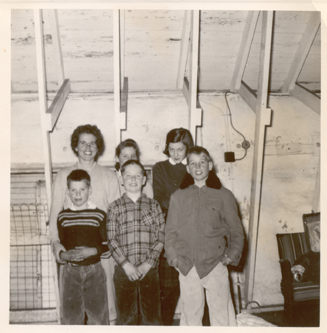
Betty spent the war years as a homemaker and volunteered a significant amount of time to the Red Cross. Kirt and Betty didn't have their first child (me) till the war was almost over in 1945 but extra bedrooms in their Greenbrook Rd. home were usually full due to wartime housing shortages. Betty's much younger brother, Bud Hulburd, lived with them and attended high school nearby for at time during the war. Pilots who had completed their overseas combat duty but had more active duty to serve before being mustered out of the military were assigned to work for Kirt as test pilots. Some of them lived with the Hine family and would regularly "buzz" the house at low altitude in bombers and high performance single engine fighters while on approach to Caldwell Wright Airport which was only about 3/4 of a mile away. Several of these test pilots would become lifelong family friends. The Hines had a dog named Sport for most of the war (but found another home for him and acquired an apparently less frisky Boxer named Nan right after I was born). There is photographic evidence that in the summer of 1943 Kirt and Betty were able to make the trip to Seattle so Betty could meet Kirt's parents, his sister, and her family. In April of 1942 Kirt's uncle and college financial benefactor, Samuel Kirtland Hine, passed away in Ohio at the age of 75. Due to war time work pressures Kirt couldn't attend the funeral of his favorite uncle so he sent his recent bride Betty to represent him at the funeral service and burial in the Riverside Cemetery in Poland, Ohio. Betty would make two more trips to Ohio in 1942 to represent Kirt at the funerals of Kirt's other uncles, Charles P. Hine (age 65) who died in September and Alfred B. Hine (age 70) who passed away in October. My mother would facetiously mention in later life that she almost wore out her black funeral dress during her first year of marriage. She would also mention that brothers Samuel, Charles, and Alfred all died from "stomach cancer" (a rather vague diagnosis) in the same year. (The other brother, Kirt's father Homer, would pass away in 1958 at age 84 and Kirt's aunt Ellen Louise Hine would die in 1955 at age 86.)
Professional Life at Curtiss-Wright About the Company
Curtiss-Wright Corporation, through a series of mergers in the 1920's, was a descendent of the companies founded by several of the early pioneers of aviation including the Wright brothers (Orville and Wilbur) who are credited with making the first historic airplane flight in 1903 and Glenn Curtiss who wasn't far behind the Wright brothers and developed early aircraft engines. By the late 1930's Curtiss-Wright was a substantial civilian aircraft supplier and military aviation contractor designing and producing everything from airframes to engines to propellers. By the end of World War II it became the second largest publicly owned corporation in the United States in terms of gross revenue and employment (in excess of 180,000 employees) with only General Motors being larger. During the war Curtiss-Wright produced something in the neighborhood of 30% of all aircraft engines made in the United States, 30% of all aircraft propellers, and perhaps 10% of all airframes along with a host of other items. (According to its current web site the company's WWII production included 142,840 aircraft engines, 146,468 electric propellers, and 29,269 aircraft.) It had facilities and sub contractors all over the country with the biggest facilities being in Buffalo, NY, Columbus, OH, and St. Louis, MO (airframes) and Patterson, NJ (engines). Shortly after the start of World War II Caldwell Township, NJ became the home of the Propeller Division which had an additional production facility in Beaver, Pennsylvania. In 1941, the year the U.S. was drawn into the war, all of the nation's aircraft defense contractors produced only several thousand military aircraft. By September of 1945 when the war ended the U.S. had produced just under 300,000 aircraft and Curtiss-Wright Corporation had been a major player in this effort. It's most famous airframes included the venerable Curtiss P-40 Warhawk fighter, the C-46 Commando transport, and the SB2C Helldiver aircraft carrier based dive bomber. I don't recall ever hearing a number but I suspect that the Propeller Division, one of the company's smaller units, employed perhaps 10,000 to 20,000 people during World War II producing the propellers that Kirt and a handful of other engineers were designing, developing, and testing. About Propellers
Curtiss-Wright (through it's predecessor companies) had made propellers since the first days of aviation. In the mid 1930's it started exploring a new propeller technology using electric motors instead of the older established hydraulic technology. A few words about propeller technology are perhaps in order. It had been learned early in the development of aviation that it was more fuel efficient and less stressful on aircraft engines to use what were (are) known as "constant speed" propellers which allowed the engine (and thus the propeller) to turn at a constant speed. If the pilot wanted the aircraft to have more or less power (thrust) they would change the "pitch" of the propeller blades thus changing the angle at which the blades turned through the air. This required a mechanism for rotating the blades (also used to "feather" a propeller if an engine failed in flight to cut wind resistance) under high stress. Early high performance propellers accomplished this blade rotation using hydraulic technology. This required complicated hydraulic pumps along with fluid lines and reservoirs. The basic concept behind Curtiss-Wright's development of electrically controlled propellers was that they could be lighter, less bulky, less expensive, and more reliable since redundant electric wires were more easily run to the propellers than multiple hydraulic hoses in case of malfunction or combat damage. By the late 1930's Curtiss-Wright made electric propellers exclusively and these became known in the industry simply as "Curtiss Electrics". Their primary competitor was Hamilton Standard which made hydraulically operated propellers during WWII. Another competitor, the Aeroproducts division of General Motors Corp., appeared during WWII but didn't play a major roll in propellers.
Designing and manufacturing propellers was a unique engineering challenge. Propellers were expected to function reliably under the massive stress of high speed rotation (which tended to try to throw them apart), under the extreme fore/aft stress of propelling the aircraft forward, at extreme engine power settings (the biggest WW II aircraft engines could develop over 2,500 horsepower and later engines up to 7,500 hp.), through a large range of temperatures from well over 110 degrees in desert conditions to less than minus 30 degrees at high altitude , and under extreme vibration from the engines and varying flight conditions. Propellers had to be designed in a number of sizes and configurations to optimize the performance of the engine and airframe combination they were intended for. Kirt's Work Life Kirt spent his 20 year career at Curtiss-Wright as a mechanical and electrical engineer and project manager designing and developing propeller mechanical and electrical/electronic components. He was responsible for the propeller control mechanisms including electric motors, electric/electronic circuits, servo-controls, governors, gears, bearings, bushings, etc. that changed the pitch of propeller blades and attached them to the engine's power shaft. These were the components primarily housed in the propeller's hub. He also worked on the controls which interfaced the propeller with the engine and the pilot in the cockpit. He didn't design or develop the blades which required a background in aerodynamics. He worked as a key part of a design team that included a handful of other primary engineers with expertise in aerodynamics, structures, metallurgy, vibration, and thermodynamics. There was also a large support staff involved including draftsmen, engineering assistants, technicians, mechanics, machinists, secretaries, typists, etc. Over the years Kirt became one of the top engineers in the country in his field and contributed significantly to the most complicated, high-tech, largest, highest flying, fastest, and most powerful propellers ever designed in the days before, and as, the jet engine made high performance commercial and military propellers increasingly obsolete.
The World War II years would be the most exciting and rewarding of Kirt's career at Curtiss-Wright and thus the ones he talked most about later in life. During this period he worked 80 hour weeks and, in addition to his design duties, was assigned to run the Propeller Division's Flight Test program, due, at least in part, to his having come to the company with a pilots license. Flight Test was intended to give each new propeller and/or component a full work out under actual flying conditions. Kirt's college friend Bill McKelvy had also gone to work for the Propeller Division, was part of the design team, and was assigned the task of running the Static Testing program where propellers were run indoors on aircraft engines in a special facility for long periods of time to test endurance under varying temperatures, speeds, etc. Design: Kirt's years at Curtiss-Wright (C/W) were spent before the advent of the computer as it commonly exists as I write this. Even the electronic adding machine and the hand held calculator hadn't been invented yet. It was a time when if you wanted to do a complicated mathematical calculation you used a pencil, paper, and a slide rule or made the calculations long hand if the slide rule didn't give you the accuracy you required. There was no Computer Aided Design (CAD) software to take the drudgery out of mechanical drawing and so Curtiss Wright, like all engineering design operations of the day, had a "drafting pool" which consisted of trained draftsman who worked full time to relegate to paper in detail the engineering staff's ideas and specifications. As I recall the standard ratio of design engineers to draftsmen in those days was something like 2 to 1, that is, for each design engineer, it took, on the average, two draftsman to keep up with them. As I recall, the Propeller Division had a huge room full of perhaps 20 draftsmen all working at large drafting tables. A side
note: In the
fall of 1963, 4 years after Kirt had retired from Curtiss-Wright, and when I was a
freshman engineering student at Rensselaer Polytechnic Institute in
Troy, NY I took the required drafting course which contained about 30
students who were taught in a huge room containing large drafting
tables, one for each student. The teacher regularly
projected mechanical drawings on a large screen at the front of the room
so they were large enough for us to see while we worked on our drawing
assignments. One day the teacher projected a drawing so he could
demonstrate the proper way to dimension lines (or some other
technical drawing detail) and mentioned in passing that it was part of a gear
hub for a revolutionary propeller designed during World War II (more
about this "reverse-pitch" propeller later). Knowing that father had
designed propellers, after class I came to the front of the room where
I could read the drawing's title-block (the small print containing the
company name, dates, authorizations, part numbers, etc.) and, sure
enough, in the box labeled something like "Design Engineer" was the
name E. K. Hine.
During WWII Kirt worked helping to develop an automatic propeller synchronizer. 2 and 4 engine aircraft needed to have their engine rotation speed accurately "synchronized" (running at exactly the same number of revolutions per minute) during flight as slight rotational speed differences would cause oscillating vibrations throughout the aircraft which, while not necessarily dangerous, could be loud and annoying to passengers and crew. Prior to the advent of automatic synchronization technology the pilot had to manually tweak the engine throttle controls or propeller pitch controls to bring the engines into sync which could be a time consuming and a frustrating trial-and-error exercise, particularly on 4 engine aircraft. Then, after each engine/propeller adjustment to change airspeed or altitude, the engines needed to be re-synched. With the propeller synchronizer Kirt worked on the pilot could bring all engines into synch automatically and quickly by merely twisting a knob. I don't know how this worked nor whether Kirt helped design this device but he did run the flight tests on it. I also don't know whether this was fully developed in time to be used on WWII aircraft but it was used on multi-engine commercial airliners and military aircraft in the later 1940's, 1950's, and 1960's.
During most of the War years Kirt had two offices, one in the main plant complex where he performed his design duties with the other engineers and the other about a half mile away at the adjacent Caldwell Wright Airport (which was owned by the company and maintained for it's exclusive use from the start of World War II till the 1960's or later). For a time his airport office was located in the base of the control tower till a dedicated flight test hanger was built. As engineer in charge of the Flight Test program Kirt had a staff of several mechanics, engineering assistants, and one or two test pilots who reported to him. They would devise and implement tests using suitable airplanes on-loan from the military. Since these airplanes were only required as test platforms, they tended to be the older ones that the Army Air Corps or Navy deemed no longer suitable for military service. I recall hearing that at the outbreak of World War II the only bomber the Propeller Division had as a test bed was a very obsolete early 1930's vintage twin engine Martin B-10-B. As the war years progressed the flight test program obtained more current aircraft including a North American B-25 Mitchell (twin engine "medium" bomber), a Boeing B-17 Flying Fortress (4 engine "heavy" bomber), and a Republic P-47 Thunderbolt (single engine high performance fighter) and perhaps other aircraft. Occasionally one of the aircraft would crash or otherwise have an accident on the airfield (though I don't believe anyone ever got hurt). A few calls to the military was all that was necessary to obtain a replacement due to the importance to the war effort of getting new and better propellers into service. Kirt spent many hours flying over New Jersey and New York during the war years on test flights and occasionally would fly as far as Dayton, OH to make progress presentations to military big-wigs at Wright Patterson Army Air Corps Base where the Air Corps procurement operations were centered. (In February of 1944 while at "Wright-Pat" Kirt received his High Altitude Flight Certificate, a training procedure to familiarize pilots about the effects of flying at high altitudes without the use of supplemental oxygen by placing them in a chamber and removing the air to simulate altitude.) Kirt was never the official pilot of any of his test flights as this was the job of the test pilot and he was never trained to be the "pilot in command" of military aircraft. His log books, however, show that he flew as the co-pilot on numerous flights in B-25's and B-17's during the war. Of his 362 total logged flight hours, around 200 were as co-pilot of these two bomber types. While he could not officially be the pilot I'm sure he often flew the entire flights including takeoff and landing as this was allowed so long as the pilot was in the cockpit supervising. While most of the Flight Test program was pretty uneventful and routine (and I suspect that most flights were made without Kirt present while he worked on the design and other aspects of his job), occasionally there was some excitement. In later years Kirt would tell of the "Runaway P-47". Apparently the engine of a P-47 Thunderbolt (single engine fighter) somehow managed to startup without the pilot in the cockpit. (I can only imagine that the pilot had landed and exited the cockpit without remembering to turn the engine master switch off and a hot piston had fired causing the engine to start again). The pilot-less aircraft proceeded to randomly taxi around the airfield for 45 minutes while ground personnel futilely tried to stop it. It finally crashed through a fence at the perimeter of the airport, crossed a, road, and came to a stop in the wooded side yard of an elderly lady's home. Another story involved propeller de-icing tests. Propellers, like aircraft wings, could accumulate dangerous buildups of ice in certain weather conditions and the engineers developed ways to remove this ice which, like everything else, needed to be tested. Kirt's flight test crew had configured a B-25 bomber (and later a B-17) with a boom attached to the fuselage from which water could be sprayed on one of the propellers in flight to artificially cause ice build up so removal tests could be performed.
One of the wing fuel tanks was converted to carry the water. One of the side effects of this method of intentionally icing a propeller was that ice also built up on the engine cowling and wing behind the propeller. One day the B-17 was up performing de-icing tests when a huge chunk of ice came off the wing (I recall hearing it may have weighed up to 100 lbs) and crashed to earth through a greenhouse roof out of clear blue skies. The confused owner was reimbursed for his misfortune. A related story: Kirt would tell friends over drinks in later years about having a little fun at the expense of the ground crew at Wright-Patterson field in Ohio once when he was there with the de-icing B-25 (apparently without the icing boom attached at the time). After completing his business there and in preparation for leaving he asked the base ground crew to top off one of the gas tanks with water. After spending some time convincing the ground personnel that he was serious they finally complied. (Putting water in a fuel tank was a highly dangerous thing to do.) When the crewman was just about to put the gas cap back on the tank, Kirt climbed up on the wing with him, reached in his pocket and pulled out two aspirin tablets, quickly showed them to crewman, dropped them in the tank, and indicated that it was now OK to secure the gas cap. Kirt and his test pilot then got in the aircraft, fired up the engines, and took off leaving the ground crew theoretically convinced that Curtiss-Wright had perfected a way to turn water into gasoline.
Kirt's last Flight-Test log entry as co-pilot was in a B-25 on April 10, 1945 (4 days before I was born.) By the spring of 1945 it was clear that the U.S. would soon win the war and Curtiss-Wright was already cutting back on its development work and production. I assume that around this time Kirt's days as Flight Test engineer were drawing to a close and that he was getting back to working regular 40 hour weeks as purely a design and development engineer. Kirt's next pilots log entry would be 5 months later in September of 1945 (just at the end of the war) when he again flew recreationally in small civilian aircraft. He would continue to fly recreationally during the next year till his final log entry was made on November 11, 1946. For reasons that I don't recall ever hearing he would never fly as a pilot again. In 1948 he renewed his pilots license but apparently never used it.
The Reverse-Pitch Propeller
Kirt's proudest and most commercially significant achievement during his entire 20 year career at Curtiss-Wright was his wartime work on the world's first "reverse-pitch" propeller. While perhaps only a minor revolution in the history of aviation, the advent of the reverse-pitch propeller was notable as it marked a significant milestone in aircraft capability and safety. In the early 1940's state-of-the-art "constant speed" propellers could change the pitch of a propeller but only in such a way as to always cause the aircraft to move forward by pushing air toward the back of the aircraft. It had long been recognized that a propeller which could have its pitch rotated past "dead center" and could thus cause the thrust of the engine to be directed in the "reverse" direction, would have the effect of slowing down an aircraft. Such a propeller would be able to act as very powerful breaks to shorten landing distances (which was of military significance since larger aircraft could land on shorter runways in combat zones). They could also allow an aircraft to abort a takeoff roll in an emergency much quicker. Reversing the pitch of propellers could significantly increase safety margins at the most dangerous points in flying, takeoff and landing. An additional benefit was that they could cause an aircraft to taxi backwards on the ground thus negating the necessary in some cases of having to have a ground vehicle tow the aircraft from it's parking spot. But, for reasons I don't understand, there were major technical problems in designing and producing such a propeller, particularly using the older hydraulic technology. Kirt's design team figured out how to solve the technical problems using Curtiss-Wright's electric propeller technology. During the War (probably from around 1942 through 1944) Kirt was instrumental in designing and developing the gears and electrical components that made the reverse-pitch propeller work (the heart of the challenge) and he ran the flight test program on them. I can't say that Kirt "invented" the reverse-pitch propeller as others were involved but he did solve some of the most critical design problems in the hub where all the reversing action takes place. Like most everything else he worked on during his 20 years with the Propeller Division this project was a highly classified military secret at the time of it's development and had a high priority.
The Enola Gay Unfortunately, by the time the reverse-pitch design was fully developed and deemed reliable enough for production it was the winter or spring of 1945 and to late for the revolutionary new design to have much of an impact on the war effort...... except in one significant and notable way. In September of 1944 Col. Paul W. Tibbets, a noted combat bomber pilot early in the war who had spent the previous year working the bugs out of the new Boeing B-29 Superfortress (the largest production 4 engine bomber of the war) to make it combat ready, was assigned the top secret task of putting together and training the Army Air Corps unit that would be assigned the task of delivering the atomic bomb to targets when it was fully developed. Col. Tibbets had top priority and got anything he wanted for his unit, the 509th Composite Group. He hand picked his unit's 15 B-29's right from the assembly line and had them specially modified to his exact specifications. When he learned about the development of the reverse-pitch propeller that fall he immediately asked to have them retrofitted onto 509th's B-29's as soon as possible. The design, testing, and production teams at Curtiss-Wright knew nothing about this at the time. All they knew was that they were under intense pressure from the military to finish development of the new reverse-pitch propeller and to deliver a small number of them for use on B-29 Superfortresses. I suspect that the quantity ordered was maybe around 80 propellers (15 B-29's times 4 props each plus spares). I learned in the mid 1980's from an old family friend, Marshall Klein, who was a Propeller Division field integration engineer during the War that he had been in charge of preparing these 15 B-29's for the propellers and retrofitting them onto the aircraft at Lowry Field in Denver, Colorado in the spring of 1945. In the fall of 2008 I visited my childhood hometown in New Jersey for the first time in decades and had lunch with childhood neighbor Elwood "Woody" Walker, then perhaps 90 years old. He told me that during WWII he had been the lead engineer in the Propeller Division's Experimental Research Laboratory where prototype parts (designed by the engineering department) and test fixtures were machined, assembled, and tested. When it came time to build the propellers for the 509th's B-29's, Woody became the engineer in charge of building these pre-production propellers (only the hubs I believe, not the blades) which was done in the Research Laboratory and not in a production facility. He told of working long hours with the machinists and other fabricators and assemblers and of supervising the packing of the propellers for shipment to an unknown location all while having no knowledge of where the propellers were going or specifically what they would be used for.
The rest is in the history books. On August 6th, 1945 a B-29 named the Enola Gay piloted by Col. Paul Tibbets dropped the first Atomic Bomb on Hiroshima, Japan. Three days later a second bomb was dropped on Nagasaki by the B-29 "Bockscar" and the Japanese would unconditionally surrender a few days later promptly ending the most destructive war in history. These flights were among the first combat missions ever flown by aircraft equipped with reverse-pitch propellers and at the time only the B-29s of 509th Composite Group and a hand full of Consolidated B-32 Dominators had them. (The B-32 had lost the design competition for a long range 4-engine heavy bomber to the Boeing B-29 and only 118 B-32s were built. A few of these were fitted with early production Curtiss reverse pitch propellers in the summer of 1945 and saw limited action in the Pacific only in the last few weeks of the war.) At our lunch in 2008 Woody Walker told of how Propeller Division employees first learned that the newly designed and custom produced reverse pitch propellers they had worked so hard on had delivered the atomic bomb to it's target. News of the atomic bombing of Japan was broadcast to the American public via radio almost immediately after the Hiroshima mission however it took several days for photos to be developed and transported by aircraft halfway around the world. A few days after the Hiroshima attack the first photos were published on the front page of major U.S. newspapers. One of these photos showed the Enola Gay shortly after returning from the mission with her Curtiss Electric reversible pitch propellers clearly displayed and instantly recognizable to anyone at the Propeller Division who had worked on them. Apparently the Propeller Division employee who first saw the newspaper photo bought a whole stack of the newspapers (probably the New York Times) and brought them to work where they were quickly distributed up and down the office hallways and factory floors. Woody said that cheers could be heard coming from offices and departments all over as employees learned of their roll in the mission that would soon end the war and avoid a costly invasion of Japan.
It's well documented that these propellers flew the atomic missions. In the 1977 best selling book "Enola Gay" about the program to deliver the atomic bombs authors Gordon Thomas and Max Morgan Witts mention them writing "These planes would have fuel-injection engines, electronically controlled reversible propellers and generally be much better than their predecessors." and "Tibbets admired the reversible propellers". In his 1995 book titled "Fire Of A Thousand Suns" Enola Gay tail gunner George R. "Bob" Caron writes "The 509th's planes were to be the first equipped with fuel-injection engines and Curtis electric reversible-pitch propellers". Also when describing the Enola Gay's stop over in California on it way to the Pacific island of Tinian "Negotiating the B-29 into position on the hardstand seemed to Lewis [pilot that day] like a good time to try out the massive reversible pitch props. To the astonishment of the two men in the 'follow-me jeep', he backed Number 82 [Enola Gay] into its parking spot with ease and grace. Caron and everyone else on the crew knew their plane had just performed flawlessly a maneuver the manuals didn't recommend. But what did the engineers who wrote the manuals know?" Also on the trip into the Pacific on the Island of Kwajalein "Anxious to be airborne, Lewis [pilot on the trip] threw the props in reverse, backed out of the slot, and taxied the Superfortress around and through the maze of planes". But over the years I'd never run into anything that specifically said why Paul Tibbets (the subject of several books and movies in the years after the war) had selected them, and which, while well tested by the Curtiss-Wright's development team, had no proven combat record in the field. In the fall of 2004 I had the honor of meeting and chatting with retired Gen. Paul W. Tibbets (then almost 90 years old but still mentally sharp) at an airshow. When I asked about the propellers he indicated that he had first learned in the fall of 1944 that they were under development while at Wright-Patterson Air Corps base (Dayton, Ohio) shortly after being assigned the task of organizing the effort to deliver the atomic bombs. When I asked why he requested them I got the answer that I expected. The Manhattan Project (which developed the atomic bomb) had been the most expensive development effort ever untaken by the U.S. government and he was tasked with delivering a handful of initially available bombs which represented the results of all that spending. Also, the safety of Tinian Island, from which the atomic missions were flown, was a major concern should anything go wrong. The B-29's carrying the very heavy atomic bombs would be at the extreme limits of their weight carrying capacity for take off and also in the event of a possible emergency landing with a bomb aboard should anything go wrong during a mission. Gen. Tibbets told me that having the ability to stop the aircraft in the shortest possible distance was critical in the event of an aborted takeoff or unplanned landing with an atomic bomb on board and the reverse pitch propeller provided that capability.
In the late 1980's I came to know George R.
Caron ("Bob") who had been the tail gunner on the Enola Gay and he would
often talk of her reverse-pitch propellers after he learned that my
father was involved in their development. In June of 1990 a friend of
mine recorded an audio oral history of Bob's recollections of the atomic
mission and I was given a copy. I've included here a 10
minute segment of the interview in which Bob talks about obtaining the
Enola Gay from the factory and the trip to Tinian Island in the Pacific.
Starting at about 3 minutes into the audio clip (and lasting for about 2
minutes) Bob talks about backing up the Enola Gay into a parking spot
for the first time using the new reverse pitch propellers at Mather
Field in California while on the way to the Pacific.
In the late 1970's shortly after Kirt's death and just after the Smithsonian's National Air and Space Museum was first opened to the public in Washington D.C. I had the opportunity to visit it and also take the tour of it's restoration facility in nearby Maryland. At the restoration facility they had on display one of the early Curtiss Electric reverse-pitch propellers waiting to be restored and put on display in the main museum. Also in storage I saw the Enola Gay, in pieces, along with the propellers which had flown the Hiroshima mission. It took a number of years to complete the aircraft's restoration. In 1995 the restored fuselage and one propeller were put on display in the National Air & Space Museum to commemorate the 50th anniversary of the end of World War II. In late 2003 the museum opened a second location, the Steven F. Udvar-Hazy Center just outside Washington, DC and one of it's first permanent exhibits was the fully restored Enola Gay including all her original propellers. Today the National Air & Space Museum is the most visited museum in the world. Bockscar, the only other aircraft to deliver an atomic bomb in time of war is today on display at the Air Force Museum at Wright-Patterson Air Force Base near Dayton, Ohio. In the fall of 2008 I visited this museum and Bockscar is also fully restored and displayed with all 4 of her original reversible-pitch Curtiss Electric propellers. Click here to view 2 short video clips regarding the use of the reversible pitch propeller during WWII.
World War II era "Curtiss Electric" propellers (both reverse-pitch and other models) can today be found in numerous aviation museums and occasionally still flying on restored aircraft from the war years. Curtiss Electrics propelled some of the most famous aircraft of the War including the Curtiss P-40 Warhawk, Lockheed P-38 Lightning, Bell P-39 Aerocobra and P-63 Kingcobra, Republic P-47 Thunderbolt, Grumman F4F Wildcat, Curtis SB2C Helldiver, Martin B-26 Marauder, and the Boeing B-29 Superfortress (a few reverse-pitch models only). Kirt would have worked on all of these designs except perhaps the propellers for the P-38 Lightning, P-40 Warhawk, and F4F Wildcat fighters which I believe were designed prior to 1939 when he joined the Propeller Division.
Post World War II At the close of World War II Kirt would go back to working 40 hour weeks with weekends and holidays off and take a two or three week annual vacation. This would continue till he retired from the Propeller Division in 1959. By 1949, 4 years after the end of WWII, Curtiss-Wright Corporation's total employment had dwindled by over 90% from a wartime high of 180,000 to a mere 14,000 but Kirt, as a top design engineer, managed to avoid the post war layoffs. After the war Kirt would go on to design and develop the mechanical and electric control components for the most advanced propellers ever produced in the later 1940's, 1950's and 1960's. Interestingly however, after the conclusion of his wartime flight-test duties, he no longer interfaced much with actual aircraft as doing so wasn't necessary to performing his job. Specifications for new aircraft designs were established between the military and airframe manufactures who then determined the engine power requirements. Propeller blade configurations were then worked out to meet these use and power specifications. Finally, the mechanical and electric control mechanism were designed to meet these combined requirements. Since attaching a propeller assembly to an engine drive shaft wasn't complicated and the pilot's cockpit controls were integrated by the airframe manufacturer (with training from a Propeller Division field installation engineer) combined with the fact that most propeller endurance and environmental testing was performed in a static ground facility, it wasn't typically necessary for Kirt to work directly with aircraft. World War II had been the heyday of propeller driven aircraft but soon after the war it was apparent that the jet engine would soon take over as the primary means of propulsion for most military and large commercial passenger aircraft. Only a few new propeller designs were put into production for military and large commercial aircraft after the war with a number of others being designed and tested which, for various reasons, never went into production. Propeller design was pretty much relegated to specialty niche applications and Kirt would work on the design of these highly specialized and advanced propellers even as most large high performance propellers were becoming obsolete.
Versions of the Curtiss reverse-pitch propellers developed during the war would go on to become used on most commercial airliners in the later 1940's and 1950's (and reverse pitch propellers from competitor Hamilton Standard would appear). Four engine commercial airliners using these propellers included the Douglas DC-4, DC-6 and DC-7, the Lockheed Constellation, and the Boeing 377 Stratocruiser. Many of these would remain in service till the late 1960's and early 1970's before being retired and replaced by jet engine aircraft (the first of which was the Boeing 707 introduced in 1958). Most of the almost 4,000 B-29's built during WWII would be disposed of shortly after the war but some stayed in service, were used in the Korean war, and were finally officially retired by the Air Force in 1960. Most, or perhaps all, of these were retrofitted with the Curtiss reverse pitch propellers replacing the original Hamilton Standard propellers. The reverse-pitch propeller quickly become a safety necessity for large aircraft and was the conceptual predecessor of today's "thrust reversers" on military jet aircraft and commercial jet airliners routinely used to slow the aircraft on the runway when landing. The Curtis Electric reverse-pitch propeller, while a different technology then widely used today, proved the concept and value of thrust reversers. I recall hearing stories about the early post war production days of this reverse pitch propeller design when surprised airport ramp crews would talk in awe of seeing, for the first time, an airplane back itself out of it's parking place without the use of a tug prior to taxi and take off. The early models sold to commercial airlines could be put into reverse-pitch when on final landing approach before the aircraft ever touched the runway thus allowing a very short landing run-out. But this technique turned out to be a safety problem if the pilot engaged the reverse feature just a little to soon which could cause a crash. The government soon required that a sensor be placed on the landing gear that would not allow the propellers to be reversed unless the landing gear was in firm contact with the ground. I recall as a child that whenever my family took a vacation by commercial airliner during this period father would always go up into the cockpit during flight (and sometimes take me with him) where he would have a great time discussing the finer points of propeller design and use with the cockpit crew since the aircraft we were on typically had propellers which he had developed.
Kirt worked on many different propeller designs during the post war years as the company's top expert and project manager on what went on inside a propeller hub but none were as notable or as exciting to him as his work during the war and particularly his role developing the reverse pitch propeller likely because of their revolutionary impact on aviation in general and because, unlike his later designs, they would be widely used post-war on both military and civilian aircraft. I never heard many details about the post-war designs for two reasons. First, as I grew up during this period, the projects he worked on were always classified by the military as secret and he had a government security clearance which prevented him from talking about his work with anyone who didn't have appropriate clearance. He thus never talked about the specifics of his work at home. Only years after he retired did Kirt mention in passing some of the projects he had worked on as by then they were no longer classified. Second, many of his post war projects never made it into production due to being cancelled as part of a larger project the Pentagon no longer wanted to support and/or the post-war aircraft his propellers were used on were no longer in service. Post War Propellers
During WWII Curtiss-Wright developed and produced prototype contra-rotating pusher propellers for the 2 Douglas XB-42 Mixmaster bomber prototypes built. Contra-rotating propellers had two banks of blades rotating in opposite directions and "pusher" meant that the propeller pushed the aircraft rather than pulling it. The XB-42's propeller design was largely based on modifications Curitss-Wright's existing fighter propellers already in production. The XB-42, designed to carry a crew of 3 and a heavy bomb load at speeds in excess of 400 mph, first flew in May of 1944 but never went into production due to various aerodynamic instability and other issues. I believe that this was Curtiss-Wright's first attempt at both contra-rotating and pusher propellers, both of which would be developed and refined in much greater detail in the future. Late in WWII Curtiss-Wright developed prototypes for the Navy of the Curtiss XBTC. This was one of several single engine aircraft designs requested by the government from several manufacturers intended to take advantage of the new huge 2,000 to 3,000 horsepower radial engines introduced late in the war including the Wright Cyclone R-3350 (used on the B-29 Superfortress bombers late in the war) and the Pratt & Whitney Wasp R-4360. Kirt was part of the development team for the 14 foot 6-bladed contra-rotating propellers for this aircraft. The prototype XBTC first flew in January 1946. Only 2 prototypes were built before the Navy cancelled development due to the war having ended. A competitive design, the Douglas AD Skyraider (which did not use Curtiss propellers), did go into production and served in the Korean and Vietnam wars. I believe the Skyraider was the last and most powerful production single engine piston combat aircraft ever built in the U.S.
In the later 1940's Kirt developed the propellers used on the Convair B-36 "Peacemaker" which was in use by the U.S. government from 1949 through 1959 as it's primary long-range strategic bomber having replaced the B-29 and it's B-50 variant. 384 B-36's were built and it was the largest "production" piston-engine powered aircraft ever built. It's 6 three-bladed reversible 19' diameter "pusher" propellers were, I believe, the largest propellers ever made. The B-36 used six 4,000 horse power radial piston engines as well as two jet engines.
Between 1949 and 1956 448 Douglas C-124 Golbemaster II's were produced for the Air Force as it's primary large cargo aircraft. It used 16'6" reversible pitch Curtiss Electric propellers. This aircraft type saw service until 1974.
In the 1940's and 1950's Kirt developed several revolutionary contra-rotating propellers for military use. These included the propellers for the prototypes of the Douglas XB-42 medium bomber, Curtiss XBTC torpedo bomber, and the Convair XFY-1 and similar Lockheed XFV-1 fighters. I don't know specifically what benefit contra-rotation propeller might have provided (perhaps increased thrust without expanding the diameter of the blades) but apparently the military believed they would be beneficial. In spite of much design and development effort over a number of projects and years, to the best of my knowledge, no Curtiss contra-rotation propeller, military or civilian, ever went into production.
In the early to mid 1950's Kirt
worked on the Curtiss-Wright 16 foot six-bladed contra-rotating
propellers (3 each propeller blades turning in opposite directions on the same
shaft and also known as "dual-rotation") which were developed for the
U.S. Navy's experimental Convair XFY-1 Pogo
and the similar Lockheed XFV-1.
These were the first aircraft ever built where the thrust of
the engine/propeller combination was greater than the combat-ready
weight of the aircraft. Kirt, as he had in the past, developed the gears,
motors, and servo controls, etc., and acted as project manager on the
combined hub components. These
aircraft were early attempts by the Navy to develop a vertical
takeoff and landing (VTOL) fighter aircraft (no runway required).
While a single prototype XFY-1 Pogo successfully flew, the two projects were
canceled as being unfeasible in part do to the design's inherent difficulty
landing accurately in windy conditions and poor visibility accorded the
pilot in landing. During it's
flight tests the Convair XFY-1 Pogo had the distinction of being at the
same time both the slowest and fastest propeller driven aircraft ever
flown with an airborne over-the-ground speed range from zero to over
600mph in level flight at 15,000 ft. (and a service ceiling of almost 44,000 feet).
I believe the high speed record still stands though the zero slow speed
capability has been duplicated by the more recently deployed V-22 Osprey.
As I write this the only XFY-1 Pogo to ever fly is in the possession of
the Smithsonian's National Air and Space Museum though it's not clear
whether it's on display or in storage.
On the internet I ran into a Curtiss brochure published in1950 promoting the benefits of a new line of propellers referred to as Tuboelectric Propellers. After WWII propeller equipped gas turbine engines began to replace piston powered engines for some applications and aircraft using them were (are) referred to as turboprops. The gas turbine engines provided better fuel economy, more power, and less weight then the long established piston engines did and the use of such power plants apparently required more sophisticated propellers. The brochure shows drawings (starting on page 12) and explains some of the engineering complexities that Kirt regularly had to deal with and design for. It also provides a good description of propeller mechanical design in general. Perhaps the last major propeller that Curtiss-Wright developed and produced in any quantity was one of these Turboelectrics and may also have been the last propeller that Kirt was completely involved with from inception to production. It was a large 3 bladed reversible pitch propeller designed for the Douglas C-133 Cargomaster, a huge Air Force transport aircraft powered by 4 Pratt & Whitney turboprop engines producing 7,500 hp each. This may be the most powerful production engine to ever turn a propeller. Fifty C-133's were produced between 1956 and 1961 and saw service with the Air Force and NASA till replaced in 1971 by the all jet powered Lockheed C-5A Galaxy. NASA used it to transport Atlas, Titan, and Saturn rockets to Cape Canaveral for the early space program. In the mid 1950's when I was around 12 years old I recall Kirt taking me and others to the Caldwell-Wright airport near our home to see what he said was the world's "2nd largest airplane" (or something to that effect). I suspect that it was a C-133 that had come to the Propeller Division airport for inspection by the Propeller Division engineers. At the time the B-36 was larger, faster, higher flying and had more carrying capacity but the C-133 was designed to carry cargo and not bombs and could land on shorter runways.
Late in his career Kirt worked on the propellers for Curtiss-Wright's X-19 effort to develop for the military a "tilt-rotor" fixed wing aircraft capable of vertical take-offs and landings on which the wings, engines, and propeller all rotate to transition from vertical to horizontal flight and vice versa. Kirt retired in 1959, a few years before this aircraft first flew, but he was involved in it's early propeller development. The X-19 never went into production but almost 50 years later the concept was finally perfected by another defense contractor in the form of the V-22 Osprey, a vertical take-off and landing tile-rotor design currently in use by the U.S. military. Other Projects In the later 1950's, as it became obvious that the jet engine would soon make large propellers obsolete, Curtiss Wright's Propeller Division was apparently actively looking for other related technological areas in which it could use it's design and manufacturing expertise to keep it's employees busy and make money. Some of the activities that Kirt engaged in during his last few years with the company suggest some things that were being considered. Curtiss-Wright
made propellers for the early hovercraft it developed but which were
never a commercial success. However the concept would go on to
have limited military use. These were vehicles that didn't fly as such but
merely hovered on a cushion of air a small distance above the ground.
I suspect that Kirt probably was involved but don't know this for sure.
I recall that sometime in the later 1950's father made occasional trips to the Sikorsky helicopter plant in Connecticut. To the best of my knowledge Curtiss never manufactured helicopter "rotors" but I think it possible that Curtiss may have been consulting on their design or perhaps looking into designing and/or making them under contract. There's a little family story worth telling here. In the mid 1950's my mother's hobby was ceramics. She and the family were aware that Kirt had apparently ridden on railroad trains a number of times as part of his job though he would never say why. Mother put two and two together and for the fun of it one day made a ceramic ashtray and decorated it with a picture of a propeller attached to the front of a railroad train. Sometime later Kirt's longtime boss at work (and a longtime family friend) came by with his wife for dinner and happened to see the ashtray sitting on a table. He immediately got red-faced and very angry suspecting that Kirt had compromised security (which he really hadn't). The little blowup was soon over with no long term consequences but it was pretty clear that Curtiss-Wright had researched the dynamics of using it's technology to propel railroad trains (but apparently never actually built any). I also recall Kirt spent a work day or two in the later 1950's aboard a medium sized cargo ship traveling up the Delaware river. He never said why but it can be speculated that Curtiss was looking into possibly getting in to the marine propeller business. I recall that around the time Kirt retired Curtiss Wright Corp. (probably the remnants of the engine division and not the Propeller Division), in an attempt to re-invent itself and take advantage of emerging technologies, obtained the world wide rights to develop the Wankel engine for the aviation and possibly other markets. The Wankel engine was a revolutionary rotary internal combustion engine that eliminated pistons thus in theory producing a more powerful, lighter, and more fuel efficient engine with far fewer moving parts then standard piston engines. I remember Kirt being excited about this venture after he retired even though it was outside his area of expertise. Many decades later as I write this it's clear that, while the Wankel engine was adapted for a few niche markets, it hasn't been the revolution expected. In the mid 1960's and 5 or 6 years after his retirement I was there when the then CEO of Curtiss Wright Corp. came to visit Kirt at our home to discuss the possibility of the company getting into the water-jet propelled small boat business, a new technology which propelled a boat using high speed water jets which had the benefit of not having an underwater propeller vulnerable to being damaged in shallow water. I suspect Kirt was consulted due to his past reputation within the company combined with knowledge of small boats. During Kirt's years at Curtiss-Wright his work produced a number of U.S. Government issued patents. As is usually the case when working for corporations, Kirt was required as a condition of his employment to turn ownership of any patent rights over to the company.
By the time Kirt retired from Curtiss-Wright after 20 years on the job in 1959 the corporation was a mere shadow of it former self and propellers and aircraft engines had mostly been replaced on new larger military and commercial airplanes by jet engines. The company had come out of World War II as the second largest publicly held company in the U.S. and with vast amounts of cash in the bank from it's wartime government contracts (and at one time post-war had owned a controlling interest in automaker Chrysler Corp. as an investment). By the late 1950's the company had long be out of the airframe business and the Propeller Division was just about the only part of the company's aviation operations still in business but even it was running at a significantly lower level than in the past, pretty much just supporting it's installed base of propellers with spare parts and overhaul services. Instead of farming out work to sub-contractors, Curtiss-Wright was by this time soliciting sub-contract work from other aviation companies to keep it in business and it's employees busy. In 1990 a book was published titled "What Ever Happened to Curtiss-Wright (The Story of How a Very Successful Aircraft Company Took Itself Out of the Business, 1945-1953)" by Robert W. Fausel, a former employee. In it the causes of the corporation's downfall are shown to be numerous and complex but to make the long story short, the company suffered from a combination of bad management, bad luck, and, to a degree, was the victim of it's own wartime success. During the war it was so tied up refining, designing, and producing existing technologies that it was not awarded many government contracts to develop new promising ones. An example of this was the government's wartime awarding of a research contract for the jet engine to upstart General Electric Corp. due to Curtiss-Wright being to busy to deal with it. Today GE is the worlds largest maker of jet engines. I believe the Propeller Division was finally
closed down sometime in the early to mid 1970's which more or less coincided
with the Air Force's retirement of the C-124 Globemaster II and the
C-133 Cargomaster programs. These, I believe, were the last
military aircraft
to use Curtiss propellers in regular active service and by this time
most commercial airliners using Curtiss Electrics had also been retired. As I write this Curtiss-Wright
Corp. is still in business and listed on the New York Stock Exchange but it is
a relatively small publicly held company apparently now doing
sub-contract work for much larger aerospace firms and making specialty
niche non-aviation products.
Family Life in the Post War Years
Kirt's war time work pressures and long hours would subside at war's end and he would have time to devote to other pursuits including his family which was getting bigger. I was born shortly before the end of the war in April of 1945. Greg would be born in June of 1947 and Henry (known in his youth as "Scamp") in July of 1951. From 1947 to 1949 Kirt served a term on the North Caldwell Borough Council (town council) and was the town Marshal from 1942 to 1945 and again in 1950, a position which I suspect was more honorary than substantive in this small rural community. Sometime, I believe in the late 1940's, Betty and Kirt had the honor of accidentally briefly meeting Albert Einstein, the famous physicist. Mr. Einstein was a close relative by marriage of Kirt's good friend, Bill McKelvy, and they happened to run into each other at an office in New York City one day.
The Vernon Ski Tow
Immediately after the war Kirt and Bill McKelvy, his close college friend and work colleague, decided that it might be fun to get into the ski business (which had been a growing industry before the war had intervened) and so they built and ran a weekend ski area in Northern New Jersey which operated for 3 or 4 season starting in the winter of 1945/1946. They called it the Vernon Ski Tow due to it's location in Vernon Township, Sussex County, New Jersey, about a 90 minute drive from Manhattan and more like 45 minutes from Kirt's North Caldwell home. Surviving promotional materials indicates that the two entrepreneurs first checked government weather and snow records for the area and then rented a small airplane to look for suitable location options. Kirt's pilot log books show that he spent a total of 2 hours and 55 minutes in the air on September 8th and 12th of 1945. The log book remarks for these flights read "Inspection of Northern Jersey (McKelvy)". The two then drove to the area surveyed from the air and eliminated some of the options based on road access and/or terrain considerations. They were finally able to find a suitable location and negotiate a wintertime lease for 22 acres of land from a farmer. Kirt and Bill then spent weekends that fall clearing and preparing several slopes with the help of a bulldozer (the longest ski run being 1500 ft.) and used their engineering talents to design and build a 900 ft. long rope tow powered by an engine from an old automobile. By December when the snow began to fall they were in business.
I have documentation that the Vernon Ski Tow operated on winter weekends and holidays for the 3 seasons from 1945/46 through 1947/48 and it's possible that it also operated in the winter of 1948/49. Kirt and Bill would run the ski tow and patrol the slopes while their wives sold tow tickets, hotdogs, and hot chocolate. After a year or so Bill McKelvy would leave Curtiss- Wright and move elsewhere so he transferred his interest in the ski area to Woody Walker, another Curtiss engineer. Woody would meet his wife Carlee at the Vernon Ski Tow and the Walkers would become longtime neighbors and lifelong friends of Kirt and Betty. The Vernon Ski Tow attracted mostly day skiers from the New York metro area who weren't interested in making the longer drive to the bigger ski areas farther north. Each weekend the New York radio stations and metro area newspapers would include the Vernon Ski Tow's snow and ski conditions in their ski reports. Snow conditions in Northern New Jersey could be iffy in those days which was before the advent of snow making equipment. Some weekends would thus have great snow and on others I don't think they could open at all. I remember hearing a story about one weekend when, due to a quirk in weather patterns, New England skiing had been rained out but the Vernon Ski Tow had great snow. When this news hit the local media, the little ski area had so many skiers that they couldn't come close parking or feeding everyone and the rope tow lines were huge.
The Vernon Ski Tow sort of faded out of existence after two consecutive winters of no significant snowfall in New Jersey (which prevented it from opening) and due to the changing priorities of the Hine and Walker families. By the early 1950's the ski area was nothing more than a memory. As a child in the mid 1950's while I happened to be rummaging around in a family storage room I ran into a locked steel box under a pile of dusty stuff. Thinking it would make a great place for me to store things I took it to my parents to see if they had the key. Father said it was the old Ski Tow cash box and found the key. When we opened it we found it full of unsold ski tickets and about $200 in cash left over from the last day the ski area had operated many years before and which had apparently been left ready with tickets and change for the next ski day. After two years of no skiing due to bad snow, the cash in the box had been forgotten. My mother mentioned many years later that they never made much money on the venture but also didn't lose any as they operated mostly using their own labor and there hadn't been much initial capital investment.
In the late 1960's the Great Gorge/Vernon Valley Ski Area would open either at or very near the location of the long forgotten Vernon Ski Tow. As I write this Great Gorge/Vernon Valley now seems to be called the Mountain Creek Ski Area and, what with today's availability of advanced snow making equipment, is a very successful ski area with 46 ski runs and 11 lifts serving the metro New York area complete with nearby lodges, condos, restaurants, spas, etc.
The Coop
Kirt's next major undertaking would be to build a larger home for his growing family. I recall hearing that Kirt and Betty at some point considered buying the rented Greenbrook Rd. house but for reasons I don't remember decided against this. Instead, they purchased some land about 1/4 mile up the road from the rented house near the intersection of Greenbrook Rd. and Mountain Ave. from J. D. Armitage, a retired wealthy industrialist who was by then an aging "gentleman farmer" who I recall mother saying had made his fortune in the textile business in New York City. I believe Mr. Armitage's North Caldwell farm had originally been a weekend country home (and working farm of perhaps several hundred acres) which he subsequently retired to. He lived in a mansion which had elevators between floors and an Olympic size swimming pool outside. His "farm" also had tennis courts and paved walking trails through the woods with manmade ponds and concrete benches along the way where he and his guests could sit and rest while on walks. By the late 1940's he was getting quite old and was willing to sell off portions of his no-longer working farm to individuals who wanted some land to build on in rural North Caldwell. Over several years he sold a handful of parcels to people who would be our neighbors as I was growing up.
Betty and Kirt purchased just under 1 acre of land. It was not a large parcel but it included what had once been the heart of the farming operations and included a number of out buildings (including a large stucco barn with two huge silos, chicken coop, corncrib, hay house, pump house, and potting shed.) When the Hines purchased the property it was their intent to build living quarters in the barn but after retaining an architect it was determined that this would not be practical and it was decided to turn the old chicken coop into a home. Our home would henceforth be known to neighbors and friends simply as "The Coop". Kirt supervised the construction to his architect's specifications and we moved into our new home on Sept. 3, 1949 (according to notes left by my mother). It had 3 bedrooms (a 4th would be added in the mid 1950's), 2 baths, a dining room, a good sized living room and kitchen, a utility room, a tiny basement, and a work area that Betty used for her ceramics projects. The mailing address was 427 Mountain Ave. though the property was not directly on this local thoroughfare. Our access from Mountain Ave. was via what was known as Armitage Lane which crossed the property of several of our neighbors. We also had access from Greenbrook Rd. by driving through another neighbors property. The long narrow shape of our new home was dictated by the outline of the old chicken coop but the construction was otherwise what today is referred to as "mid century 1950's style". Kirt, being an engineer, chose to heat the home with a new technology known as "radiant heating" which involved laying numerous water pipes under the concrete slab floors through which hot water was circulated to evenly "radiate" heat upward.
The Coop would provide a great place to live and raise the kids throughout the 1950's. While the Hines only technically owned about an acre of land, there was plenty of room for the kids to play in nearby fields, woods, and orchards. The out-buildings on the property provided unlimited indoor space for family work shops, car parking, storage and even parties. After Mr. Armitage passed away in the early 1950's the properties which he had sold to us and our neighbors became collectively known as the "Farm" to those of us who lived there and others in the North Caldwell area.
The 1950's
The 1950's have been characterized by historians as a peaceful, productive, and generally idyllic decade following the war torn 1940's, the time when the post war "Baby Boom" generation was born and raised. This pretty much describes and applies to the Hine family. When not at work Kirt spent his time being a good husband, father, citizen, and neighbor and life usually treated the Hine family reasonably well. His position at Curtiss-Wright provided enough income that Betty could be a stay-at-home wife and mother and the family could enjoy an upper-middle-class life style. Social Life
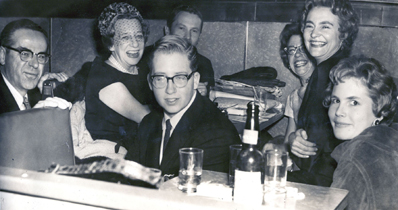
Both Kirt and Betty were very social individuals and they would frequently entertain friends and neighbors at the Coop or go out with other couples. Like many of their generation, both were heavy social drinkers and cigarette smokers. Their alcoholic beverages of choice were the Manhattan and the Old Fashioned and, less frequently, the Martini, all popular mixed drinks of the day. Each night when Kirt came home from work he would mix himself and Betty a drink and each would usually have at least one more before bedtime. They drank more heavily when socializing with others but never to excess during this period. On weekends friends and neighbors would frequently come over for drinks and dinner and Kirt and Betty would also attend dinner parties and social activities elsewhere Including occasional trips into New York City to see a Broadway play or other event. While both Kirt and Betty had friends living in other parts of the country from their childhood and college years that would visit occasionally, their North Caldwell years social circles consisted mostly of Kirt's work associates and their families from Curtiss-Wright and our neighbors on the "Farm". Our Farm neighbors consisted of an interesting group of educated professionals and included other engineers, advertising executives (who commuted to Manhattan), businessmen and entrepreneurs, a local judge, a portrait artist, and even the owner of a private bus company providing public transportation in and out of New York City from northern New Jersey. The Farm neighbors became a very close knit group socially, likely due to their similar social status and love of the rural life not far from the hustle and bustle of metropolitan New York City . Many would remain life long friends of both Kirt and Betty long after my parents moved away from the area. For many years various Farm neighbors would hold annual holiday parties. The Muellers, who lived on the nearby hill, would put up a huge outdoor lighted Christmas tree each year which could be seen for miles (and regularly rivaled the height of the annual tree in Manhattan's Rockefeller Center) and invite all the neighbors and their children over for a sometimes formal Christmas Tree lighting party to kick off the holiday season. At the end of the season the Walkers would hold a 12th Night of Christmas party in early January and everyone would bring their Christmas trees and place them in a big pile in a field. The huge pile of trees would be burned as parents and kids watched, partied, and/or ice skated on the adjacent frozen pond. For a few years Betty and Kirt held a fall party for friends and neighbors in the barn where they would serve some form of BBQ meat and large pots of homemade Boston Baked Beans.
Home Life Both Kirt and Betty liked dogs and the Hine family would always have one or more during this period. When I was born in 1945 their dog Sport had been replaced by a gentler female boxer named Nan who would live into old age and passed away around 1957. We then obtained a boxer puppy which was named Happy (short for "haphazard investment"). Unfortunately after about a year Happy was hit and killed by a car. Shortly thereafter Kirt and Betty purchased two purebred Standard French Poodle puppies (one male, one female) from a breeder which they named Roué and Budget. Our home on the Farm was a great place to have dogs as they could (and did) run free whenever they wanted. There was plenty of room for our dogs and those of the neighbors to wander and explore. Kirt did not particularly like cats but around 1957 or 1958 Betty talked Kirt into letting the family adopt two kittens for us kids. One was killed several months later by a car. The other, a purebred Chocolate Point Siamese given to us by family friends lasted about a year before being caught by Kirt one time to often nibbling on the chicken cooking on the porch barbeque. Kirt decided that the cat had to go and several weeks later Ting Tang went to live with Betty's sister and husband who lived in a Manhattan apartment. A year or so after that Ting Tang was given back to the family friends who had originally given him to us and he subsequently lived a long happy life in rural Connecticut.
The 1950's were in the days before the advent of fast food restaurants, microwave ovens, and easy to store and prepare home convenience foods. Each night Betty would cook a full dinner, well balanced nutritionally by the standards of the day, and the family would eat together at the kitchen table (unless we had guests for dinner or it was a holiday in which case we would eat in the more formal dining room). Father would always ask each of us kids at dinner what we had learned that day at school and done for play time afterwards but, interestingly enough, we could rarely learn what he had done that day as whatever he was working on at the time was usually classified. I recall the Kirt's favorite dinner foods included liver with bacon and salmon (neither of which I particularly liked) and so we had these frequently. The Hines had names for their automobiles in these years. In the early 1950's we had a sedan named Nancy (I can't remember the make or model) as the main family vehicle and also early on had a very old wood paneled station wagon named Throckmorton which Kirt drove to work. In 1955 the family bought a brand new Buick station wagon (also named Nancy) which, for reasons I don't recall, had a very unusual and distinctive paint scheme: forest green on the bottom with a bright yellow top. Around the same time Kirt obtained for his commuter car (used for the roughly 2 mile daily round trip to work and back) a very old and used Morris Minor, a small British automobile not unlike the Volkswagen "Beatle" which would become very popular and famous in later years. He named this vehicle Buzzy and had it also painted green on the bottom and yellow on top. Hine family automobiles in those days were always easy for friends and neighbors to spot on roads and easy to find in parking lots.
Kirt mostly spent weekend days with the family doing chores around the Coop property and working on home based projects with other family members. He had a well equipped home workshop which he had built in the corncrib where he could do everything from working on cars, to crude woodworking, to electronics projects. Each Sunday morning during these years Betty would attend the Episcopal Church in nearby Essex Fells and take us kids to Sunday School but Kirt would never go preferring to stay home and work on whatever he had going at the time or help neighbors with their projects. Each spring Kirt's would till the small family garden and he and Betty would plant seeds so the family could have fresh vegetables later in the year. In 1956 Kirt designed and built a small vehicle for me which we called a "Putt-Putt" due to the noise the tiny gasoline engine made. I spend many hours driving it around the Farm's back roads, orchards, and fields, learned a lot from helping him build it, and built the next larger one myself a couple of years later. Around 1957 he purchased a "Putt-Putt" for son Greg and during the next few years the Hine and neighborhood kids could frequently be found driving these and other interesting little contraptions around the Farm and working on them with Kirt not far away in case anything mechanical regarding the vehicles needed fixing that we couldn't handle. For Christmas in 1959 father found me (age 14) a very used old Crosley (a small British car) and helped me remove the body thus creating something which would in later years be referred to as a "dune-buggy", a road vehicle stripped down to nothing but a frame, engine, and seats. It was great fun driving the Crosley around the Farm before I was old enough to have a driver's license. As the kids got older and wanted more expensive toys Kirt instituted a policy whereby he would pay half if we saved our allowances and/or earned the other half. This is how I financed the 3 hp lawnmower engine for my second "put-put", the Crosley, and an electronics kit short wave radio (a Heathkit) which father also helped me assemble. As often as not in those days the Hines would have friends or neighbors (including their kids) over for dinner on Friday or Saturday night, usually a barbeque on the porch if the weather was nice. Once each year for several years father and a neighbor made a tradition out of driving to the New Jersey seashore early on a Saturday morning to purchase lobster directly from the lobsterman right off their boats and bring them home for a joint family seafood dinner that night. They could often purchase very inexpensively huge lobsters that were way to large for the lobsterman to sell to the commercial trade. We had a huge pan to cook these large lobsters in that covered multiple burners on our kitchen gas stove. Hobbies
Kirt's primary pastimes were socializing with friends and puttering around the property and/or his home workshop. There were only a couple of things that I recall father getting involved with in the way of other hobbies. Around the mid 1950's Kirt set up a photographic darkroom in the tiny Coop basement in which he (along with myself and others) would develop film and make photographic prints using chemicals and an enlarger. For several years we made our family Christmas cards in the home darkroom which were mailed to friends and family. Kirt also for a time became involved with 8mm home movies and he had a home grade movie camera, projector, and some equipment to splice film together as it was edited. Toward the end of the 1950's he came to enjoy fly fishing while on vacation and when we were at home Kirt could sometimes be found tinkering with his fishing equipment and practicing fly casting on the lawn.
Kirt was never a heavy reader and I don't recall him reading books for pleasure very often, if at all. He did however read newspapers, magazines in fields he was interested in, and technical manuals related to his job or hobbies. He was also not terribly interested in music for music's sake and I can't say he ever had a favorite musical artist as such. He did enjoy music playing in the background to provide mood and atmosphere and, being an engineer, he enjoyed the technology that made music in the home possible, i.e., radios, phonographs, and reel-to-reel tape recorders. During the mid 1950's we had a mid priced record changer and radio combination in the living room but around 1959 Kirt purchased a very high end and quite expensive "High Fidelity Stereo" system only a couple of years after "stereo" audio was introduced to the public. It was one of the first "component" home entertainment systems and was made by McIntosh Laboratories. It had separate speakers, phonograph turntable, pre-amp, power amplifier, and AM/FM radio turner and had amazing frequency response and dynamic range for it's day. The whole set up took a lot of space and was very heavy. The power amplifier had huge transformers and large vacuum tubes (this was before the days of the transistors or printed silicone circuits) and weighed perhaps 80 pounds. This audio equipment would be actively used by my mother Betty till a year before her death in 1996 and, as I write this, Kirt's late 1950's vintage McIntosh set up is still considered one of the best high-fidelity music systems ever produced in terms of it ability to purely reproduce sound and it is highly prized among collectors of old audio gear. I still have this McIntosh equipment in storage (pre-amp, power amp, and radio tuner).
Kirt almost never watched Television (TV) except an occasional news broadcast or special program. Our family TV was always in the living room and I believe we got our first one in around 1950. While we upgraded to larger screens and clearer picture technology as the 1950's progressed, our TV sets back then were always black and white models as color TV didn't become widely available till into the 1960's. Kirt discouraged the kids from watching to much TV but never imposed over restrictive rules on when we could watch it preferring to entice us into other activities rather than force us into them. Travel & Vacations
Throughout the 1950's the Hine family had a tradition of spending a weekend in the spring and another in the fall at the summer home of Kirt's college friend Bob Nims on the hill overlooking the village of Dorset, Vermont to help Bob prepare the house for the summer and close it for the winter. This was where Kirt and Betty had met in 1941. Since the farm house (located on several hundred acre of land) had 5 bedrooms we often took another family with us from New Jersey. One or perhaps two summers we also vacationed there for a week or so with friends from home. I have many fond memories of "Dorset" as we called such trips. A wooded Vermont farm was a great place for kid's to play. There were hills to climb, woods to explore, and a barn full of bailed hay to build forts in. In the fall we would even help Bob's hired-hand collect maple sap from the trees and refine it into maple syrup in the little Sugarhouse.
During these years Kirt continued to visit his parents in Seattle and sister in Leavenworth, WA and he made the trip almost every year. In some years he would take the entire family with him but would go alone for a week or so in other years. I recall my mother telling me that she carried me on her lap as a baby on an airliner to Seattle so this must have been around 1945 or 1946. I recall visiting my grandparents twice via airliner as a small child and photographic evidence indicates that this would have been in 1950 and 1952. In 1955 the entire family drove to the West Coast in our new Buick station wagon and saw the country in the process. On the way west we stopped in Ohio to see several of Kirt's cousins and their families and visited the old Hine home at 441 South Main in Poland, Ohio where Kirt's father had been born and raised and where his Aunt Nell (Ellen Louise Hine) had lived till she passed away a month or so before we arrived. Since Kirt could only take a several week vacation from Curtiss-Wright he few home from Seattle that summer and Betty drove the kids home stopping to see the sights along the way. In 1956 and 1957 Kirt and Betty sent the kids to camp for the summer at Camp Mowglis on Newfound Lake in New Hampshire. (Mowglis had been where Betty's younger brother Bud had gone to camp in the late 1930's and early 1940's and, by coincidence, Kirt's college friends Bill McKelvy and Bob Nims had also attended Mowglis the early 1930's. Bill McKelvy's son's Bill and Bruce attended at the same time as I did.)
While the kids were away at camp the first year Kirt and Betty headed to Maine for several weeks of vacation and fell in love with a lodge on Kennebago Lake, about a 10 mile drive on a bumpy dirt road from Rangeley, Maine. The upscale lodge was known as the Kennebago Lake Club and the only other habitation on the 5 mile long lake was another lodge at the other end making it very isolated. I suspect it reminded Kirt of his childhood days when his parents took him to Ovington's on Lake Crescent on the Olympic Peninsula of Washington. The Kennebago Lake Club had a main lodge building where meals were served and which housed a large indoor common living room area. There was a row of perhaps 15 individual cabins which accommodated maybe 3 to 6 guests each along the lake front each containing a living area and bedrooms. The lake was designated fly fishing only and boats and guides were available to the guests. Kirt, Betty, and the kids would vacation here for a week or two each summer for the next 5 years. It was a great place to visit. The family's poodles, Roué and Budget, could come and loved to play in the water. There was hiking, waterskiing, cookouts, even a one or two hole golf course. Kirt, being an ever resourceful engineer in the days before commercially available high tech fish finders, made a device in his North Caldwell shop one year he hoped would give him an advantage in finding Kennebago fish. It consisted of a spool of perhaps 75 feet of wire with a temperature sensor on one end which was lowered to the bottom of the lake. On the other end was a battery powered meter which read the temperature. I'm not sure it ever helped him catch a fish (particularly since the ones caught fly fishing by definition had to be hanging around the surface) but he sure had fun tinkering with and calibrating his device on the lake. Kennebago was also an interesting place as it's guests when we tended to be there included businessmen who's products were nationally known and the producer of a then current and famous weekly TV celebrity game show called To Tell The Truth. During the summer of 1959, in addition to taking the family to Kennebago, Kirt rented the family a house for a week on Martha's Vineyard, a resort island off the coast of Massachusetts.
By the winter of 1956/57 Kirt hadn't skied since the close of the Vernon Ski Tow in the late 1940's and he decided that perhaps the entire family might enjoy the sport (which it turned out we did). He bought Betty and all of us kids ski equipment and for the first year we skied maybe 3 or 4 times at the relatively close Highmount Ski Area in New York State. We'd all get up at 4:30 in the morning and pile in the Buick station wagon before sunrise to be at the ski area when it opened. Highmount was a small ski area with a couple of rope tows and a T-Bar. Kirt taught us all how to ride the lifts and get down the slopes and the family had a great time. The next winter Kirt started taking the family to Vermont for ski weekends maybe 3 times each winter and we'd stay in quaint old New England ski lodges. Kirt and Betty loved the après ski social life at the lodges (as did us kids) and were were all often regaled with Kirt's stories of his ski racing days 20 years before. Kirt would enroll the rest of us in ski school while he would head off to more challenging parts of the mountain. (Betty would never learn to be much of a skier but she loved going to be with the family and for the social life.) Our early Vermont ski weekend adventures were spent at the Bromley ski area near Manchester (and coincidently not far from Dorset) which in those days offered J-Bar and Poma style ski lifts. By the early 1960's when we kids were better skiers the family would go to other Vermont ski areas including Mt. Snow and Sugarbush. By the 1960's I was attending a private high school in far northern Vermont and father would occasionally drive up and take me skiing for a weekend at Stowe where he'd raced in the 1930's before there were any ski lifts on Mt. Mansfield.
Sailing Kirt continued to sail during this period but perhaps not as much as he would have liked what with North Caldwell being landlocked. When I first started pulling information together for this biography I don't think I recognized the extent that father sailed during this period (probably because I wasn't directly involved most of the time) but it's now apparent the he stayed at least partially active as a sailor during the 1940's and 1950's. There is photographic evidence that he sailed Star Class boats on Long Island with his old college friend, work colleague, and Vernon Ski Tow partner, Bill McKelvy after Bill had move there around 1947.
In the early 1950's a North Caldwell Farm neighbor, Gene Williamson, had a larger sailboat (perhaps 35' to 45') named the Blue Peter which he kept near his Essex, CT vacation home and which Kirt would occasionally sail (Kirt being a much better sailor than Gene). In the early 1950's Kirt skippered the Blue Peter offshore in New York harbor while she rode out a hurricane for close to 24 hours with Betty, myself, and members of the Williamson family on board. It was quite an experience and I recall well bouncing around in the cabin during the storm. In those days predicting the movement of hurricanes wasn't terribly accurate and it had hit the New York metro area about 48 hours sooner and more directly than had been expected. On his annual summer trips home to Seattle, particularly during years when the family did not make the trip, Kirt would sail with his old friends from his high school years several of whom had nice homes on the water and larger sailboats. For several years during the mid to late 1950's I recall that father would receive via mail a reel of 16mm movie film documenting that year's Transpacific Yacht Race. The "Transpac" was (and still is) a sailboat race from the West Coast to Hawaii run every year or two. I believe some of father's Seattle sailing friends took part in the race and would mail him the film documenting it. Kirt would rent a 16mm projector, view the movie footage, and then mail the film back. Finally, in 1960 and 1961 Kirt and Betty, along with several other couples, chartered larger sailboats in the Caribbean for a couple of weeks during the winter. I believe one year they chartered in the Bahamas and the other in the Virgin Islands.
Retirement When Kirt's uncle, Samuel Kirtland Hine ("Uncle Kirt") had passed away in Ohio in 1942 he, having had no children, had left his estate in trust to provide income to his wife and siblings. His will stipulated that the trust would be distributed after the last beneficiary had passed away. Two of Uncle Kirt's brothers had also passed away in 1942 and his sister, Ellen Louise Hine ("Aunt Nell") had died in 1955 and wife Alma 1957. Kirt's father Homer was thus the last living sibling and upon his 1958 death Uncle Kirt's estate could be distributed to the designated heirs. Kirt, as his namesake uncle's favorite nephew, had been named in the will as both the estate's executor and as a beneficiary along with his sister and his Hine cousins.
Samuel Kirtland Hine had been a successful corporate executive and manager in Ohio and, while not terribly wealthy, he had retired reasonably well off financially. In the years from his 1942 death till his trust was distributed in the late 1950's its value had increased significantly due, I suspect, to both the generally rising post war stock market and wise investments on the part of the trustees. I recall Kirt making perhaps 2 or 3 trips to Ohio with his New Jersey attorney in 1958 and 1959 to deal with estate matters. There was an interesting little side issue that Kirt had to deal with involving the estate. I have a vague recollection that the estate was divided into 8 equal shares for distribution to the beneficiaries. One share was given in trust to the Village of Poland, Ohio (Uncle Kirt's childhood hometown) to provide income which was earmarked specifically for the perpetual upkeep of the village green and other public areas (in other words, to pay for lawn mowing, fertilizer, and the occasional planting of trees or grass, etc). But there was a problem. The value of the estate had increased so much since 1942 that the 1/8 share designated for Poland by 1958 was vastly more than Uncle Kirt had envisioned when he wrote his will and the income from its share would be far in excess of what Poland needed to maintain its parks. Unfortunately Uncle Kirt's will made no provision for what to do in such a case. Kirt and his attorney along with attorneys for the Village of Poland had to work out a legally acceptable solution to this problem which could be interpreted as staying within the intent of the Uncle Kirt's will. The solution finally agreed upon was to use a part of Poland's share to purchase badly needed maintenance equipment. My memory is a little vague but I believe Poland purchased snowplows, street sweepers, industrial grade lawnmowers, and other such capital equipment which would be useful in maintaining more than just the parks. I've recently learned from Poland historical sources that Poland's share of the estate was in excess of $200,000 in 1958 dollars and that the Samuel Kirtland Hine trust is still producing income which pays for the upkeep of the village green and other public areas. I don't recall (if I ever knew) exactly how the rest of the estate was specifically distributed but I do know that Uncle Kirt left Kirt more than an equal share of the estate (as compared to that of his sister and cousins) either due to his being executor, due to being the favorite nephew, or perhaps a combination of both. Somehow provisions were made to continue to support Kirt's mother in Seattle (then, I believe, the only living spouse of a Poland Hine). Kirt would also at some point become a recipient of income from the Cornelia W. Hall Trust which was established for the benefit of the descendents the Poland Hines, the same cousins who shared in Uncle Kirt's estate. Cornelia Wade Hall, who had arranged for Kirt to use the family Boardman scholarships at Yale, passed away in 1954. I don't know if Kirt became a beneficiary upon her death, in 1958 when Uncle Kirt's estate was distributed, or in 1967 when Kirt's mother passed away.
In any case, when final distribution of Uncle Kirt's estate was made in 1959 it didn't take Kirt long to figure out that when his share of the estate was added to whatever he had manage to save over the years, he no longer needed to work for a living. This, I suspect combined with the fact the propeller market was rapidly shrinking due to the popularity of jet propulsion and thus wasn't providing Kirt with much of a challenge any longer, caused him to "retire" from Curtiss-Wright after just over 20 years of service to the company in the summer of 1959. Instead of the proverbial retirement gold watch the company gave him a fancy tabletop cigarette lighter with a diamond imbedded into the Propeller Division logo as a retirement memento. I don't know what the company's retirement benefits were but to the best of my knowledge Kirt did not receive monthly checks from them in his later years. Perhaps he didn't work long enough to vest in the program (which I believe other employees did draw on in later years) or perhaps he took a one time lump sum payment. The E.K. Hine Co.
After leaving Curtiss-Wright at the age of 43 Kirt set up his own engineering development and consulting business which he called the E. K. Hine Co. He rented a small office upstairs overlooking Bloomfield Ave. in nearby downtown Caldwell, New Jersey. While I don't think he would have characterized it as such at the time, looking back at it the E. K. Hine Co. was more of a hobby which consumed cash rather than a going business which ever made money. Kirt worked by himself and did miscellaneous consulting work though I don't think this ever brought in a lot of money. He also worked on some entrepreneurial endeavors. He invented, designed, developed and tested a device he called a "Telattend" which, looking back at it, was a precursor of what would become the telephone answering machine a decade later and digital "voice mail" 30 to 40 years later. These were the days when the AT&T company had the monopoly on telephone service and almost all telephones were exactly the same. Kirt's 1 inch thick device was the same width and length as the standard desk telephone of the day and sat directly under it. When the phone would ring the Telattend would sense the electrical current in the ringer and cause a little light to turn on. To turn the light off the user would simple press the light. In effect the Telattend was simply a device to tell you that your phone had rung but you had no idea who had called. It's practical application was in small offices not large enough to employ a full time receptionist to answer the phone and where the occupant subscribed to an "answering service". If you had such a service you would call them when you left your office for lunch, a meeting, or for any other reason and let them know you would be gone and about when you'd be back. During your absence the service would answer your phone (which also always rang in their location) and take messages. Upon your return you would call the service to see if you had any messages. This required two calls each time you left the office, one before you left and the other when you returned. The Telattend eliminated the need to call the service when you returned if the light was not on. If it was on it meant someone had called in your absence and you needed to call the service to get your message(s). While Kirt's technology worked fine he was apparently never able to find anyone interested in commercializing the device as it never went anywhere. As I've periodically thought about the Telattned over the years I've sometimes wondered if Kirt hadn't come close to inventing the telephone answering machine, a device which answered your phone and recorded a message on tape for later playback. The answering machine was first introduced in the mid to late 1960's and by the time it became obsolete due to the advent of digital voice mail in the early 21st century was used in just about ever home and office in the country. Kirt had perceived the need for better technology when it came to customer telephone usage interface and during this period he had an early home state-of- the-art reel-to-reel tape recorder. (And at the time I was also playing with a similar tape recorder to make sound-on-sound recording of my musical interests.) The conceptual leap from the Telattned to the telephone answering machine wasn't all that great and Kirt had the engineering expertise and experience to develop it. Other Kirt and Betty had both attended private high schools and Kirt now had the financial wherewithal to send his kids to private schools. Up till 1959 we kids had all attended the local public grade school but I would enter high school in the fall and my parents felt that the local public high school left much to be desired academically. In the summer of 1959 Kirt did some research, made some phone calls and appointments, and the two of us made a couple of automobile trips through New England looking at and interviewing private schools. As I recall we developed a consensus that a college preparatory boarding school in northern Vermont would be best for me and that's where I would spend the next 4 years except for summer and holiday vacations. Soon Greg would be attending a similar school in New Hampshire. Henry, being somewhat younger, continued to attend grade school in North Caldwell. Around this time the family upgraded its cars. Kirt traded in his by now dilapidated Morris Minor commuter vehicle for a sporty green 1959 4-seat Ford Thunderbird with a convertible top which turned out to be an unreliable "lemon" and within a couple of years was traded in for a flashy high performance Oldsmobile Starfire model sedan. Betty's now older 1955 Buick station wagon was replaced by a new 1960 Oldsmobile station wagon. The Divorce
In June of 1961 Kirt rented the family a summer home for 4 weeks (a standard half-summer rental) in the resort town of Chatham, MA on Cape Cod. It was located right on the water at Stage Harbor and we had the new family 16' outboard motorboat moored right in front of the house along with about an 18 ft. rented sailboat (which I raced all that summer). Kirt would drive up from New Jersey on weekends to be with the family but spent week days at home working on his engineering projects. Everyone had a great time and when the 4 week rental was coming to an end Kirt rented another nearby home which was available on short notice so we could stay for the second half of the summer (another 4 weeks). It was one of the best summers of my life. However, I would learn the following year that while Kirt had been at home in New Jersey during the week without the family he had apparently been having an affair with our longtime Farm neighbor Mary Williamson who was separated from her husband Gene and waiting for her divorce to become effective. I headed back to school in northern Vermont that fall none the wiser about father's affair and there was no sign of any marital problems between my parents when I came home for Christmas vacation that December.
A month or so after the 1961 Christmas holidays Kirt contacted me at school and, on short notice, said he'd like to take me and Greg on a weekend iceboating trip and to visit, interestingly enough, his high school sweetheart Gina Bowden-Higman and her husband and family who had been living for a number of years in Canada outside of Montreal (they had once or twice visited us in New Jersey in the mid 1950's). During the drive from Vermont to Canada father announced that he and Betty were getting divorced. This came as quite a shock as I had been aware of virtually no problems in my parents relationship with each other. Being away at school most of the time apparently made it much easier for them to hide any marital problems from me.
Sometime during the winter of 1962 Kirt moved into a small apartment by himself nearby in New Jersey and Betty and son Henry continued on at the Coop (as did Greg and I when on vacation from school). In the early 1960's a divorce was not anywhere near as easy to obtain in most states as one is today. There was a long waiting period (up to a year or two), a good cause needed to be presented to a judge, and attorney's fees could be high. The solution for those that could afford the time and money was the "quickie-divorce" offered by the laws of the State of Nevada. Nevada residents could obtain what would today be called a "no-fault" divorce almost immediately and it only took being in the state for 6 weeks to obtain resident status. There was thus a well developed infrastructure in the state to cater to this market and Kirt took advantage of it. In the spring of 1962 he drove to Nevada and stayed at the Donner Trail Ranch, a "dude" guest ranch just west of Reno near the town of Verdi. He spent his days riding horses and sight seeing and nights socializing (and gambling I presume) with other guests who were there for the same purpose. After the required 6 weeks Kirt officially became a resident of Nevada and on June 27, 1962 a court in the state issued the divorce decree. I flew to Nevada to visit him there and just after the divorce came through the two of us drove to Washington State to visit his mother and his sister's family. We then drove back to Nevada for a few days so he could finalize some paperwork and then made the drive back to New Jersey. I don't think Betty contested the divorce and in fact she and Kirt worked out an amicable divorce agreement. Instead of alimony Kirt set up a small lifetime irrevocable trust for Betty. She got ownership of the Coop and he agreed to pay monthly child support for the kids and support us through college. Technically Betty got custody of the kids but this was largely academic for myself and Greg as we were already both living away from home most of the time at boarding school. In subsequent years Kirt and Betty were always willing to cordially talk to each other via telephone about issues involving the kids and, to the best of my knowledge, never argued over us. While Henry lived with Betty the majority of the time through high school (in Betty's native St. Louis starting in 1963) all three of us sons spent time with both parents as schedules and vacations from high school and college would allow. I have no record of exactly when but sometime in mid-summer of 1962 Kirt and Mary Pennock Horn-Williamson were married almost immediately after her New Jersey divorce was finalized. I believe it was a civil ceremony with no particular fanfare. A new chapter in Kirt's life had begun.
|
||||||||||||||||||||||||||||||||||||||||||||||||||||||||||||||||||||||||||||||||||||||||||||||||||||||||||||||||||||||||||||||||||||||||||||||||||||||||||||||||||||||||||||||||||||||||||||||||||||||||||||||||||||||||||||||||||||||||||||||||||||||||||||||||||||||||||||||||||||||||






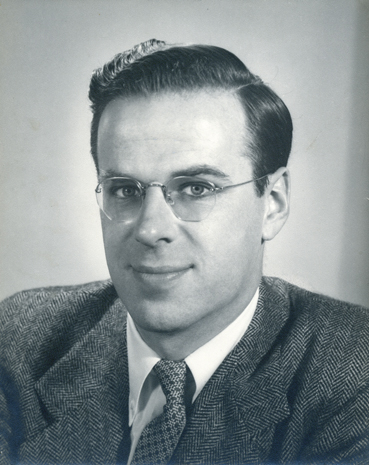
KirtHineSM.jpg)


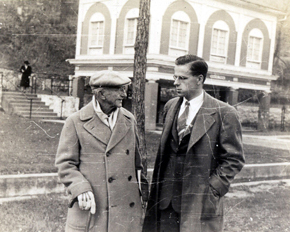
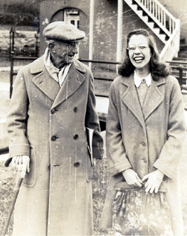

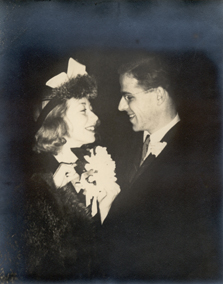
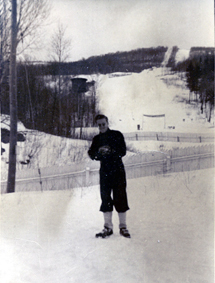
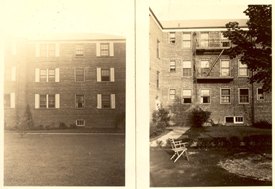

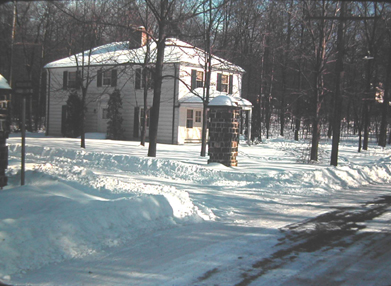

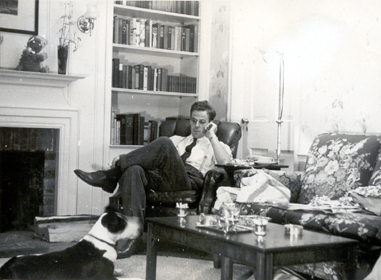
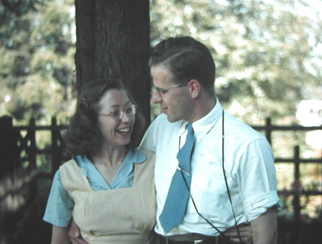
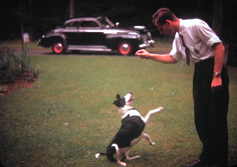
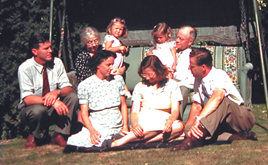
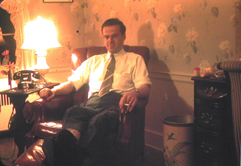
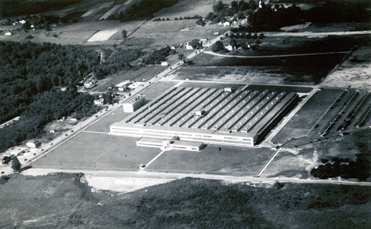
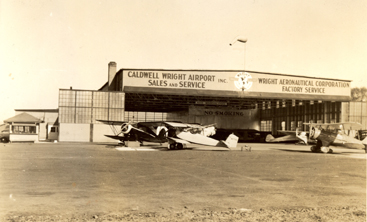


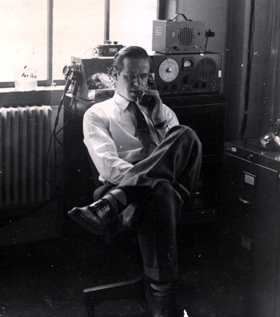
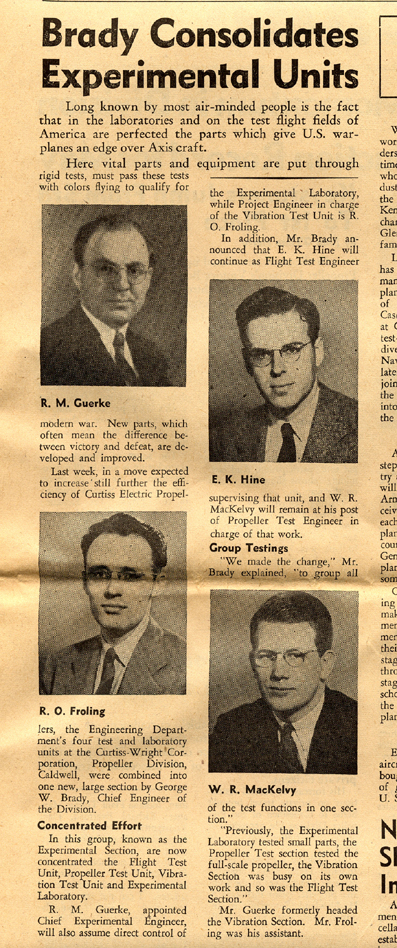
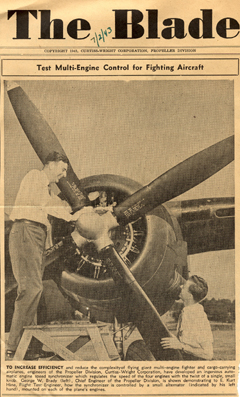
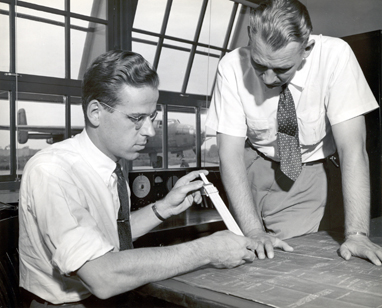
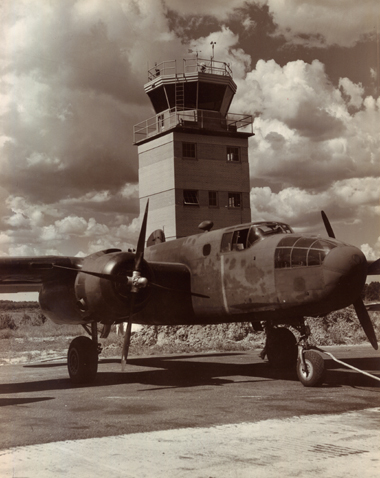
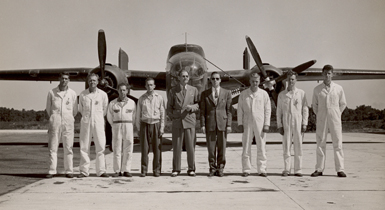
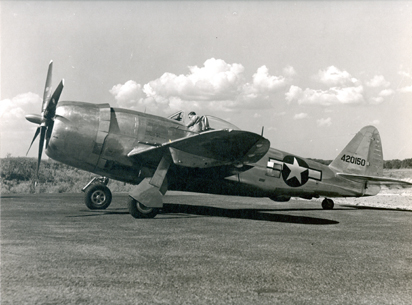
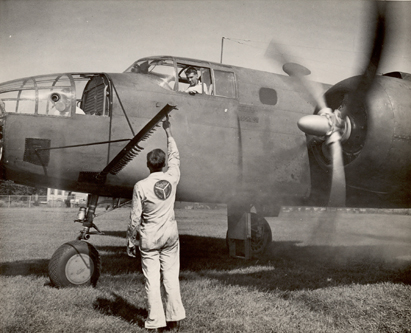

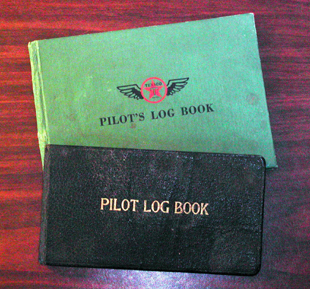
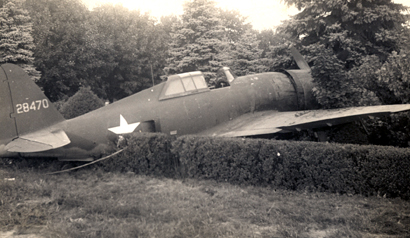
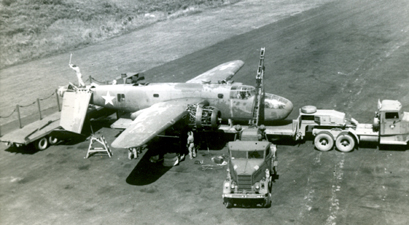
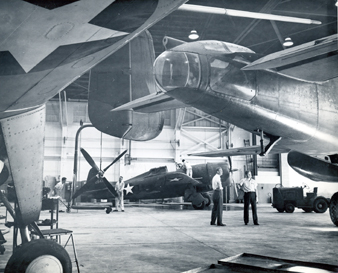
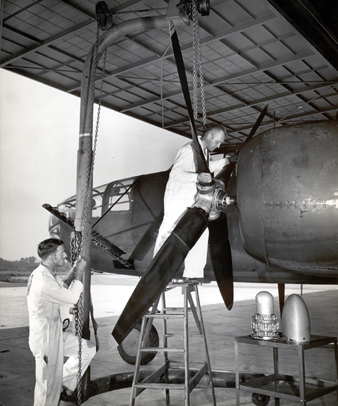
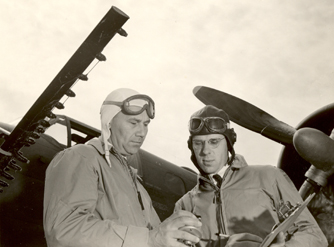
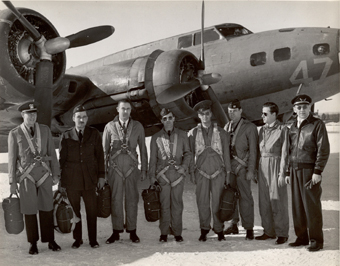
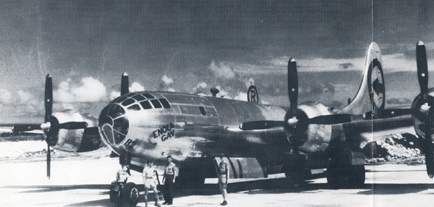
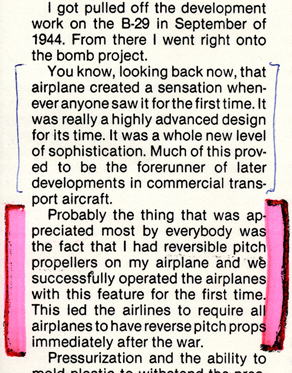
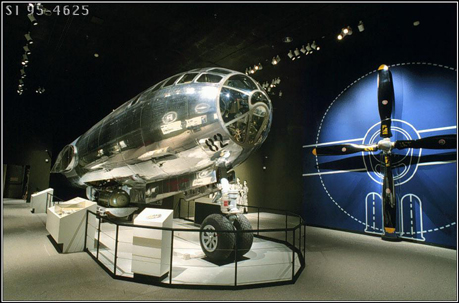
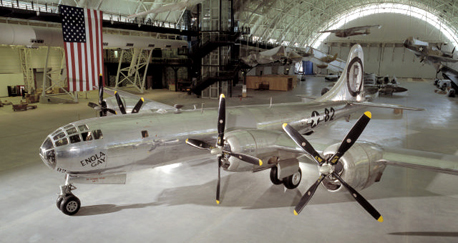
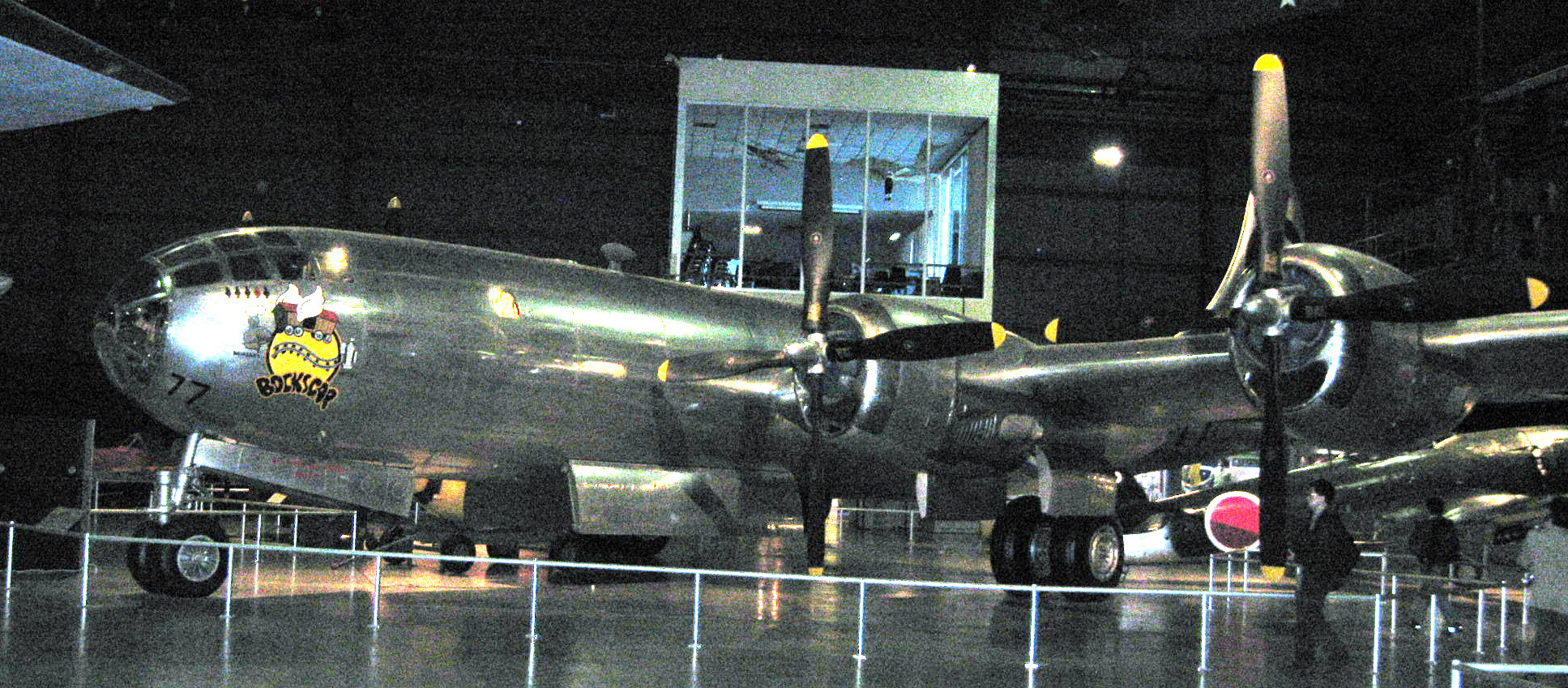


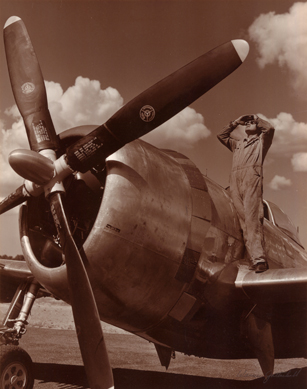
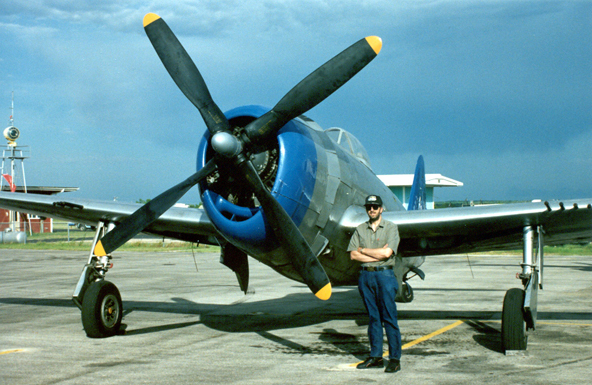
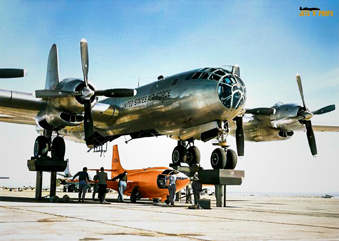
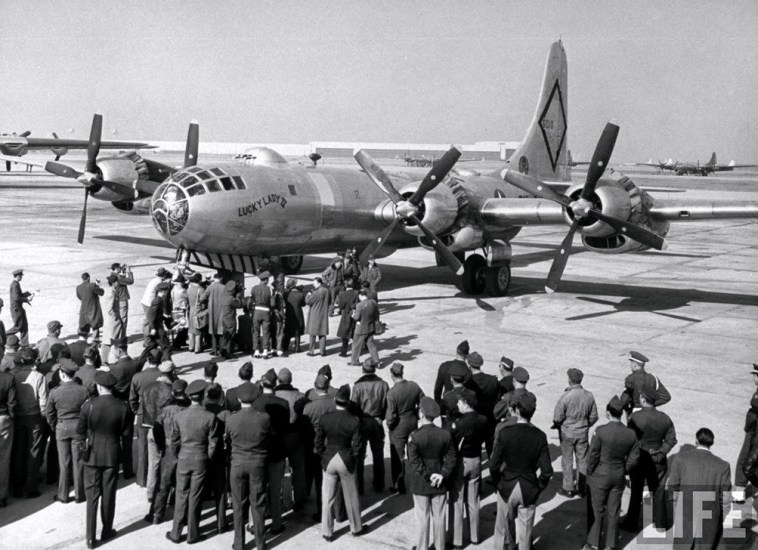
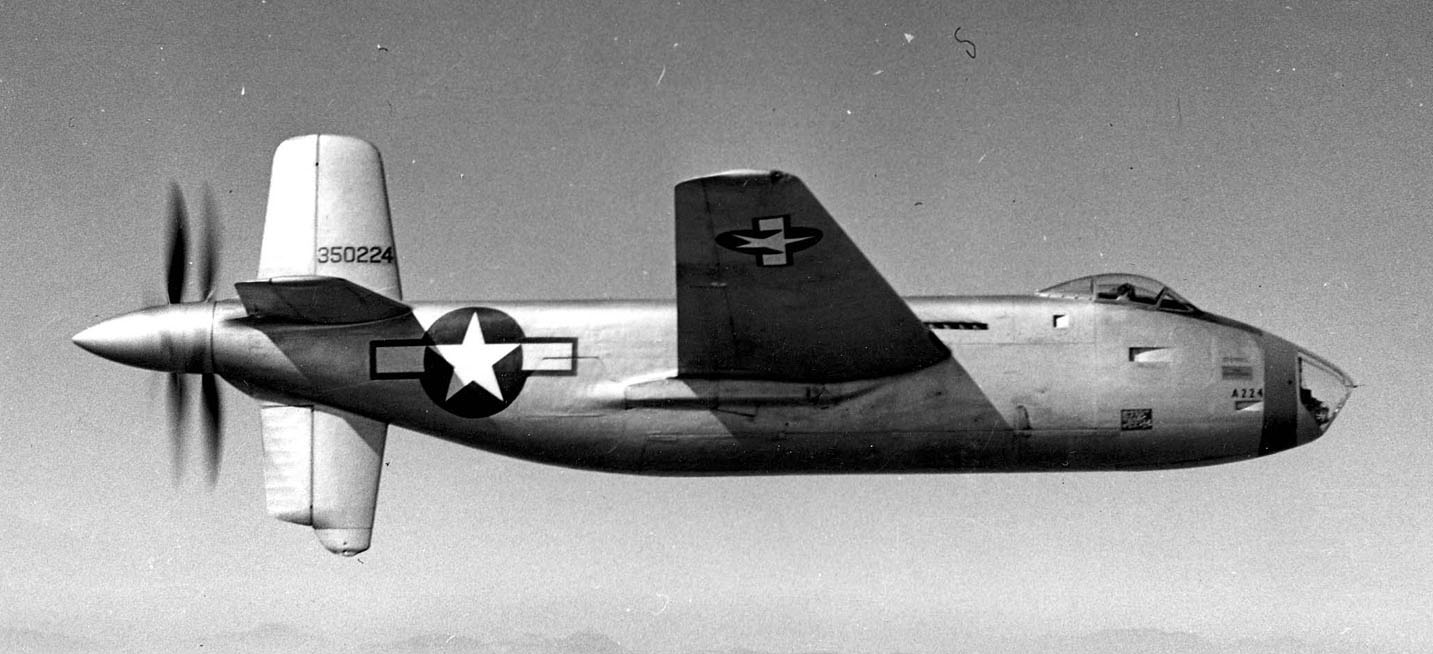
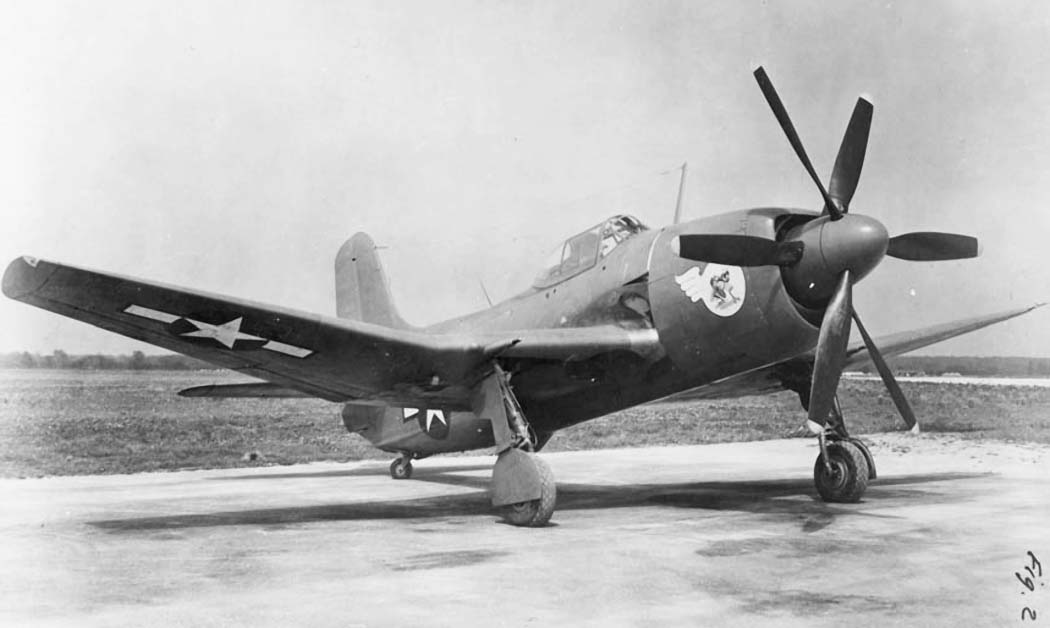
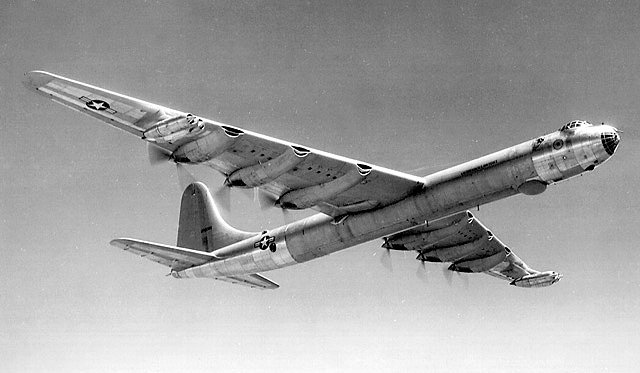
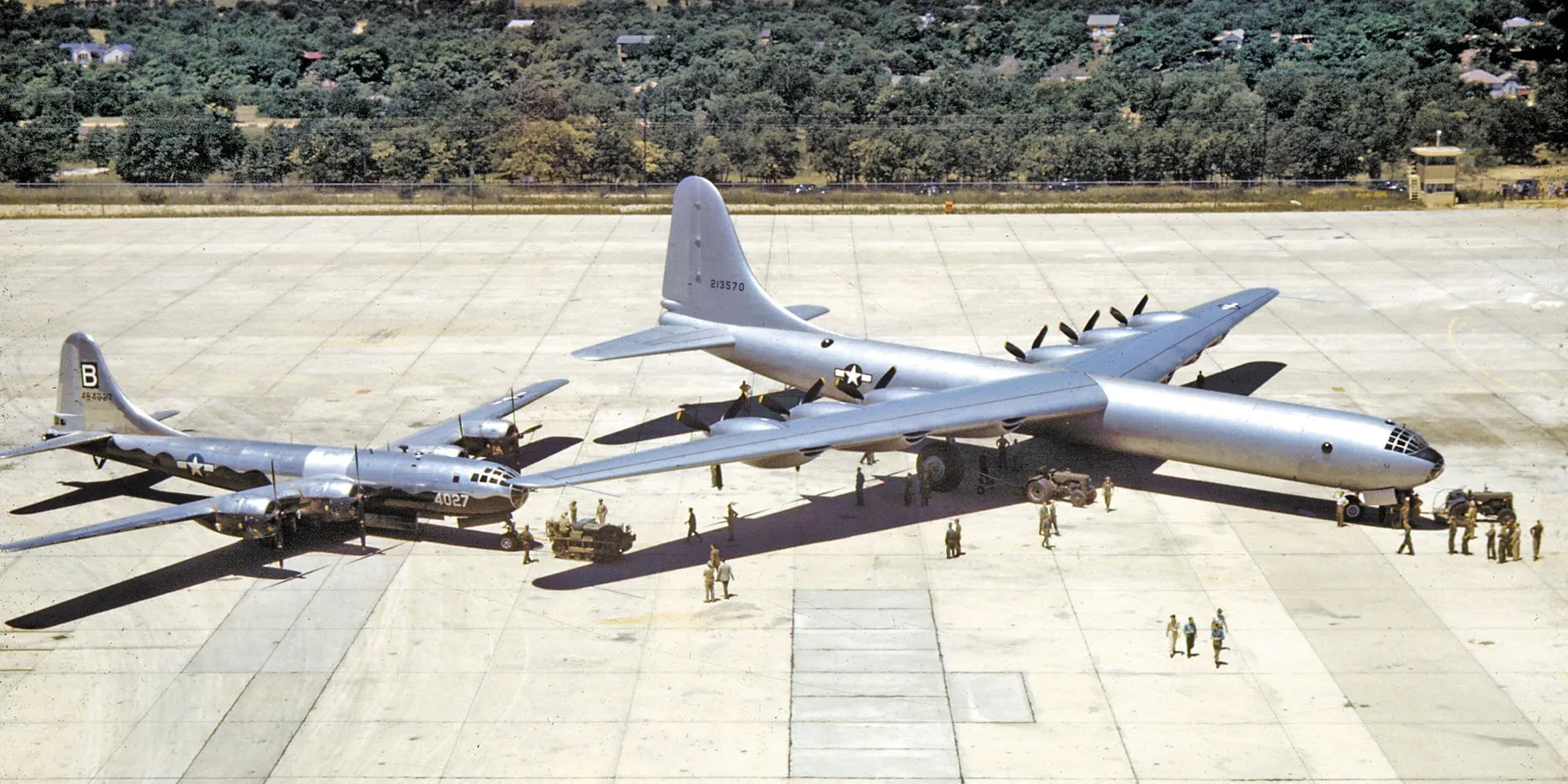
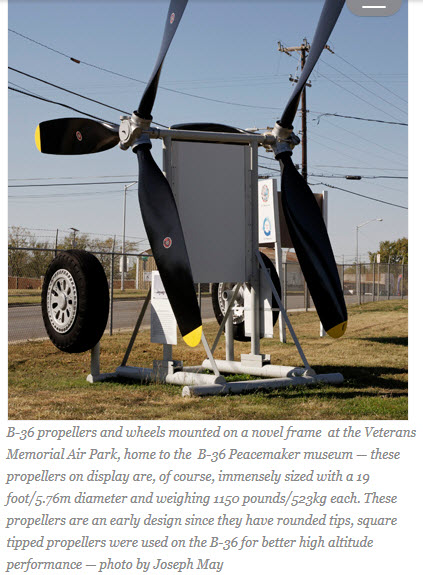
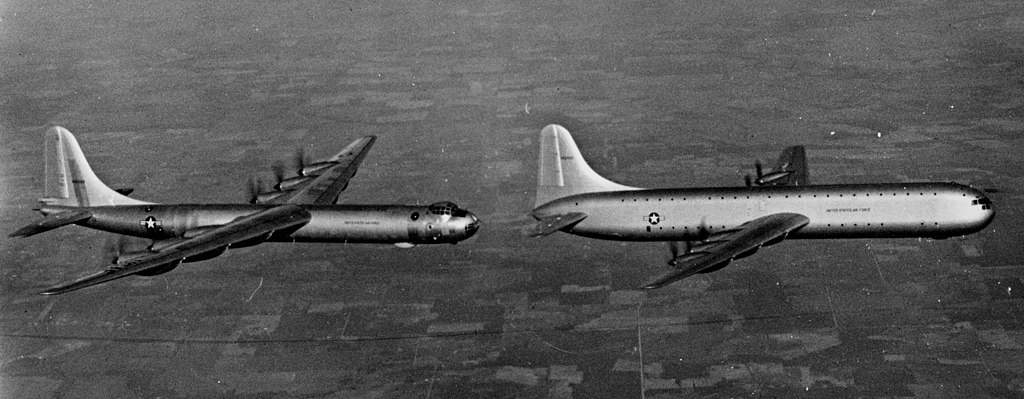
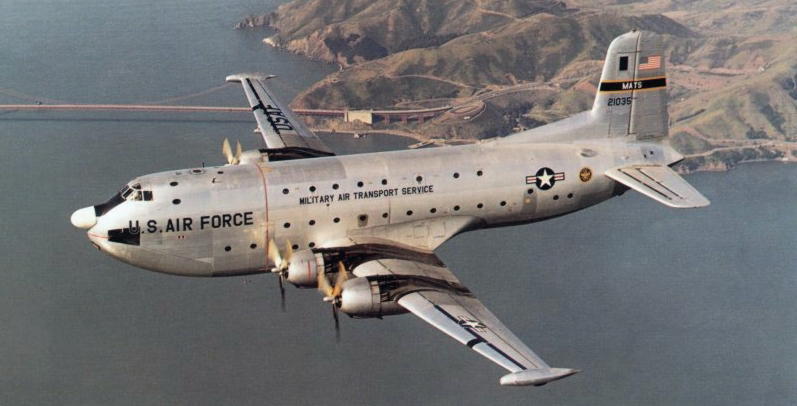
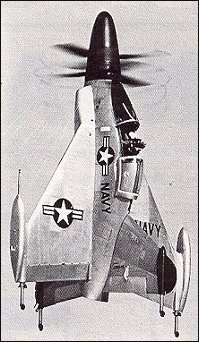



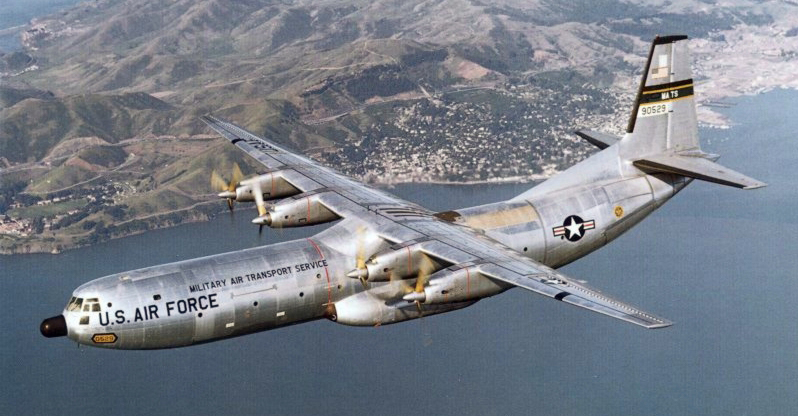
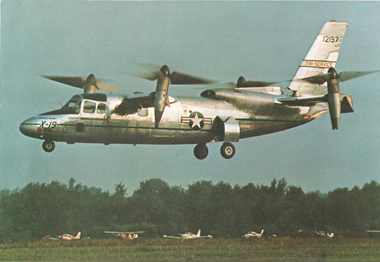
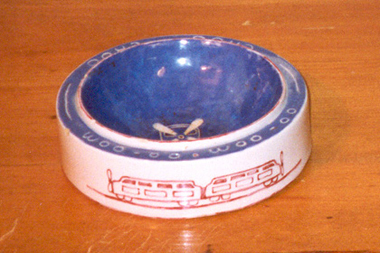

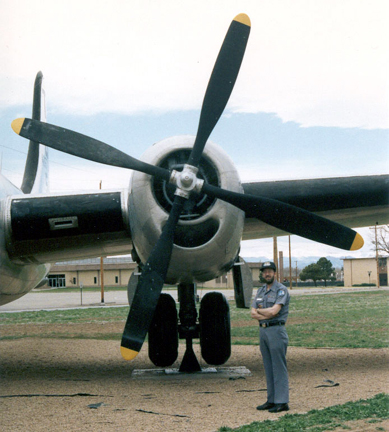
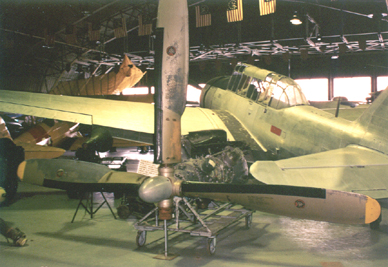



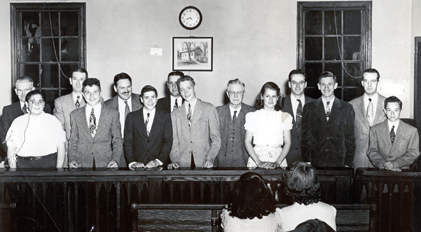
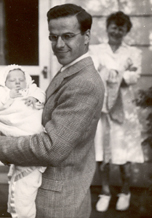
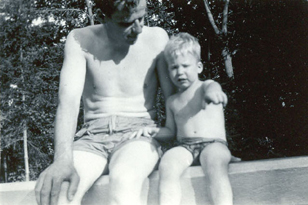
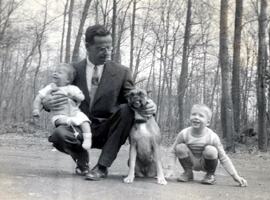
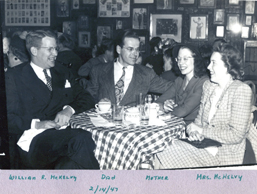
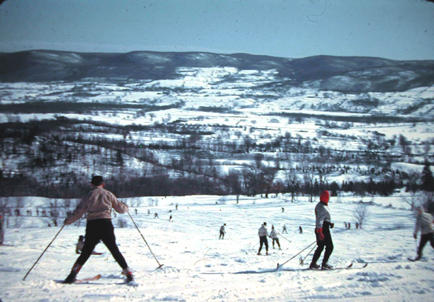
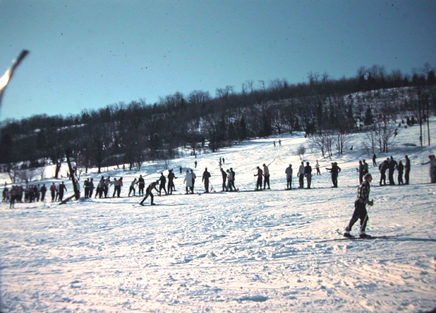
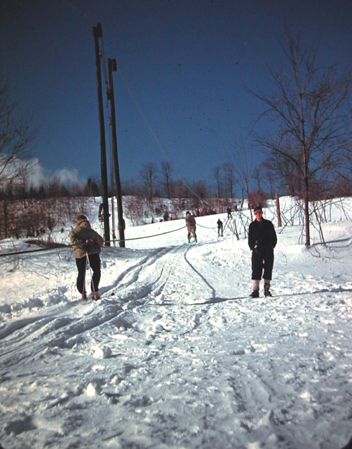
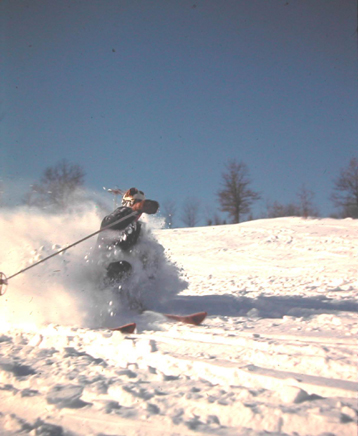
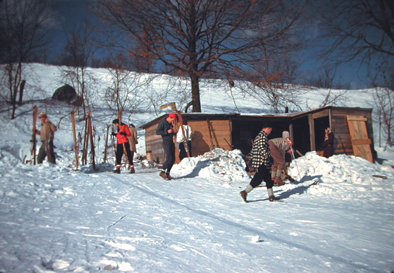


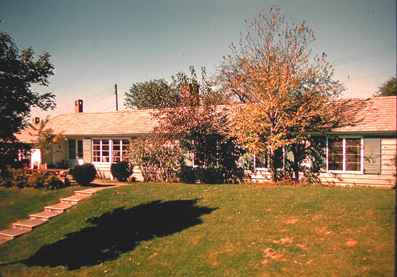
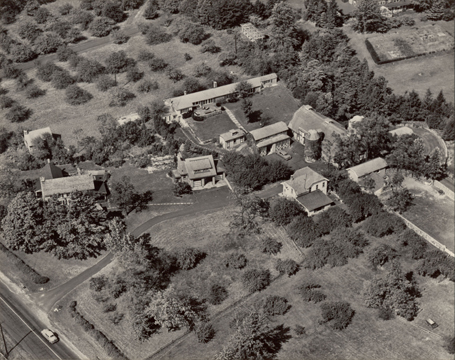
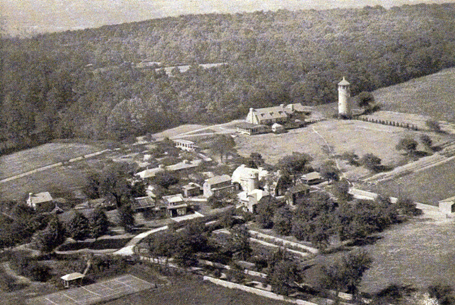
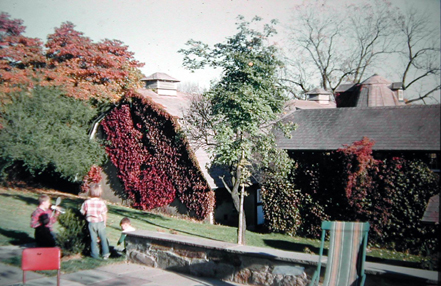


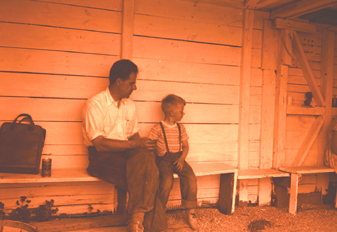
OnPorchSM.jpg)
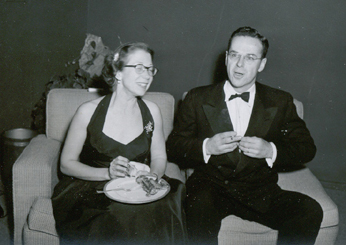
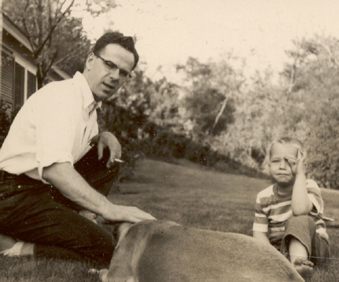
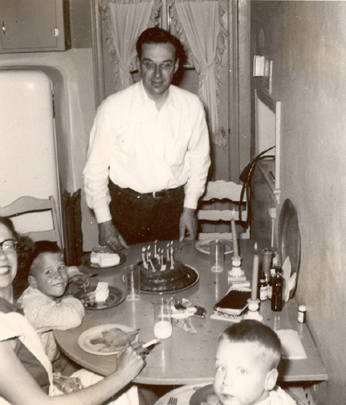
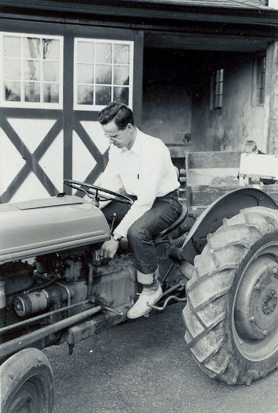
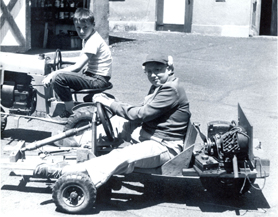
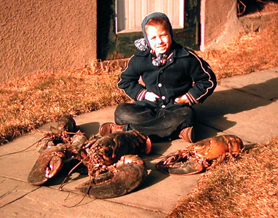
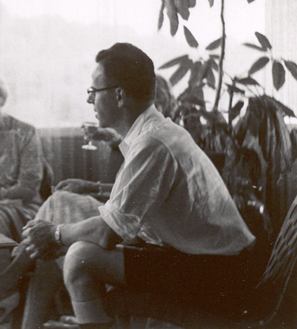
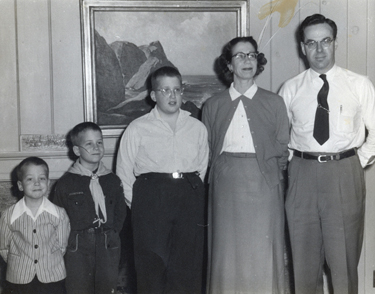
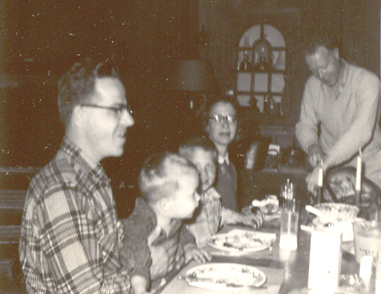
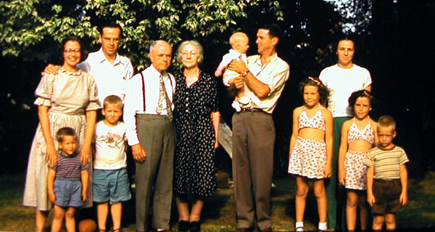
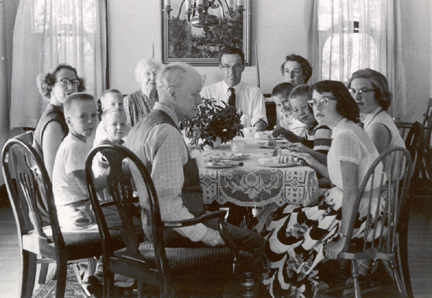
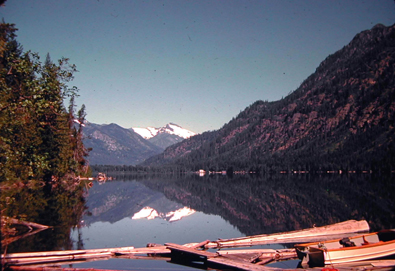
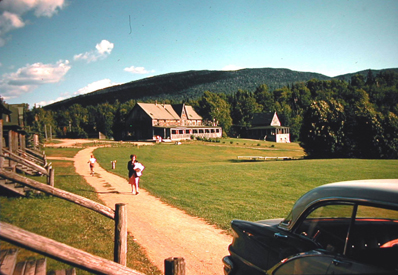
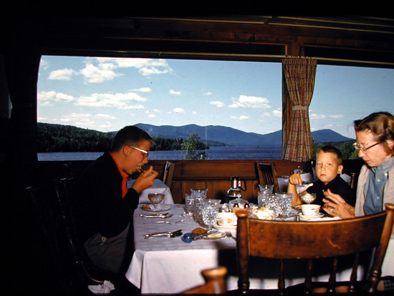
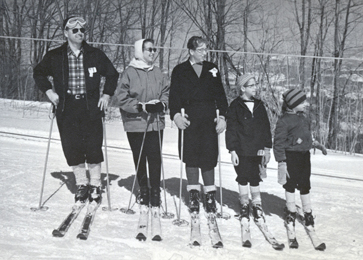
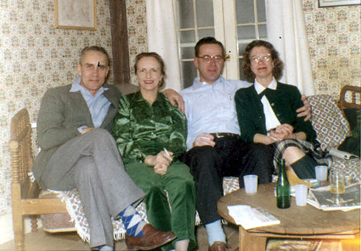
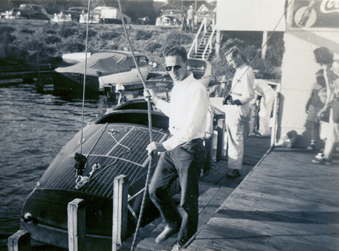
MabeBluePeterSM.jpg)